





The expensive part of a card vending route is not the machine. It is the twelve months that follow: commission, card fees, restocking trips, replacing stock that did not sell, and the odd weekend when nobody knows the machine jammed. This article budgets one machine for one year, line by line, so the purchase price can be judged against what the machine actually costs to keep earning.
1. The monthly lines that repeat forever
Four costs recur every month whether or not the machine sells a single pack:
- Location commission or rent. Usually a revenue share in the 10–15% range, or a fixed monthly rent. On a low-volume site a fixed rent is riskier; on a high-volume site it is usually cheaper than a share.
- Card processing. A percentage of each sale plus a fixed per-transaction fee. On a pack priced at a few units of currency, the fixed fee can be a surprisingly large share of the margin.
- Connectivity and software. The SIM or data plan behind the telemetry, and any platform fee for the management dashboard.
- Payment terminal. Where the reader is billed monthly rather than bundled into the machine price.
These four are the reason a machine can look profitable per vend and still lose money per month. Add them up first, then see what volume is needed to clear them.
2. Restocking labour: the line that scales with distance
Restocking one machine takes a fairly predictable amount of time: travel, access, stock count, reload, reconciliation. What varies enormously is the travel. Two machines on one route cost far less in labour than two machines an hour apart, because the fixed part of the visit is small and the variable part is the journey.
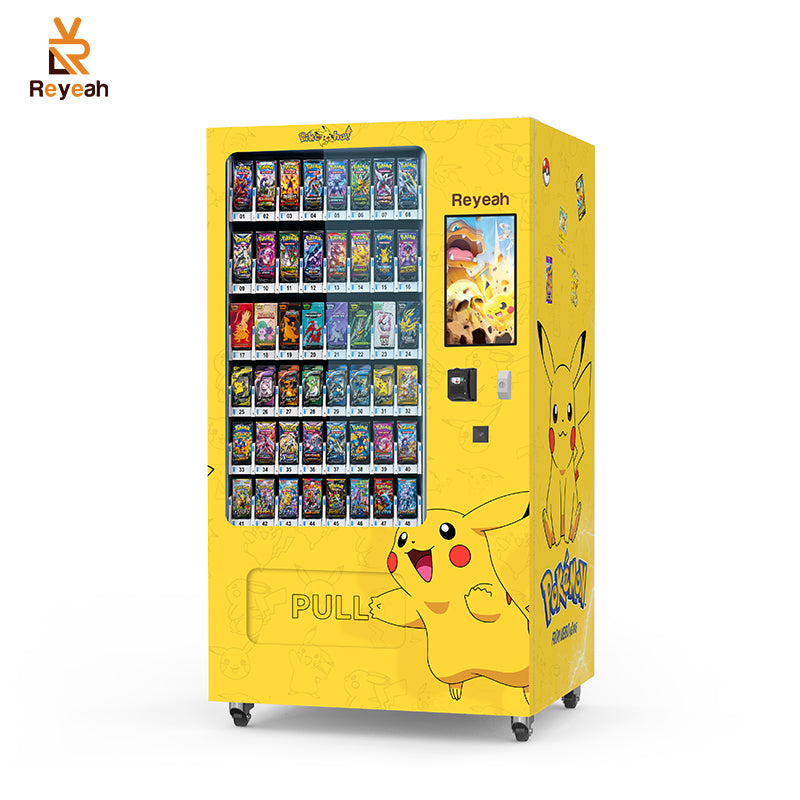
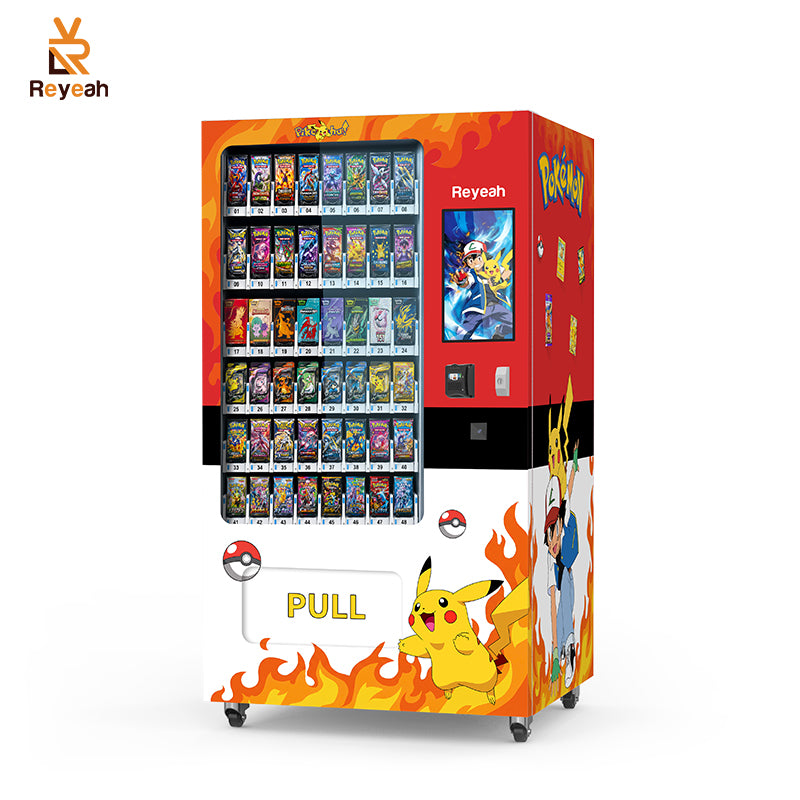
Budget hours per visit, then multiply by visits per month, then by your own hourly cost. A weekly cycle on a busy site is twelve visits fewer per year than a twice-weekly cycle — but only if the machine's capacity actually supports a weekly cycle. That is a hardware decision, and our comparison of 24 versus 48 channel machines is really a comparison of refill intervals.
3. Stock loss, spoilage and shrinkage
Card stock is not a neutral asset. Three things erode it, and all three belong in a budget:
- Dead channels. A channel stocked with a series nobody wants ties up capital and eventually has to be discounted or moved.
- Damaged packs. A pack that leaves the machine creased or scuffed is a refund or a complaint, not a sale.
- Shrinkage. Not theft from a locked cabinet, but process loss: miscounts at restock, packs withdrawn for a customer and never logged, reconciliation drift between machine sales and stock movements.
A maintenance and spoilage reserve expressed as a share of revenue is the honest way to carry this. The ROI calculator has a dedicated reserve line for exactly this reason, and leaving it at zero is the most common way an operating budget flatters itself.
4. Repairs, spares and downtime
Card machines have three failure modes worth planning for: a jam in the dispensing path, a payment terminal that stops syncing, and a display or lighting fault. Each has a different cost shape. A jam costs a visit and possibly a refund; a payment fault costs every sale until it is fixed; a lighting fault costs nothing directly and a great deal in conversion, because a dark machine in a corridor stops attracting attention long before anyone reports it.
Budget spares for the dispensing path and keep a replacement reader or terminal on the shelf if you run more than a handful of machines. Downtime is the only operating cost that scales with how long you take to notice.
5. Putting the twelve months together
The annual picture is: twelve months of fixed costs, twelve months of restocking labour, a spoilage reserve as a share of revenue, a repairs allowance, plus the one-time outlay for the machine itself. Compare that annual cost against annual gross margin, not against gross revenue — a route that turns over a healthy revenue figure and returns a thin margin is one price rise or one rent review away from breaking even at best.
Run the numbers before you add the second machine, not after. A single machine that clears its fixed costs comfortably is the only reliable evidence that a route is worth scaling, and it is cheaper to learn that on one unit than on five.
Conclusion
Operating cost, not purchase price, decides whether a card vending route compounds or stalls. Commission, processing, connectivity, labour, spoilage and repairs are the six lines that repeat every month; get them into the model at realistic values and the payback figure stops being optimistic. If you want the configuration matched to your projected volume, send us your site details and we will price it against the numbers you are actually planning with.




Leave a comment