






Short answer: three quotes for the "same" TCG vending machine rarely describe the same machine or the same scope. One is FOB, one is CIF, one quietly excludes the payment terminal and the telemetry subscription. Comparing the headline number is therefore meaningless until every offer is rewritten onto one basis — the same Incoterm, the same channel count and lane width, the same payment stack, the same spares and the same warranty exclusions. Normalise first, then compare. The supplier that wins on a like-for-like sheet is often not the cheapest quote you received.
The same rule applies to TCG vending machine suppliers: the offer you can compare is the offer you can hold to. This article gives the comparison matrix we use with buyers: what to record line by line, how to convert FOB quotes into landed cost, how to score suppliers without weighting your way to a predetermined answer, and which contract clauses protect the decision after the deposit is paid.
Why do three suppliers quote the same TCG vending machine at three prices?
Because "TCG vending machine" is a category, not a specification. Five variables account for most of the gap between a low quote and a high one:
- Incoterm. FOB leaves freight, insurance, duty and last-mile to you. DDP hides all of it inside one number — and hides how much of it is markup.
- Channel count and lane tooling. A 24-channel cabinet and a 48-channel cabinet are different bills of material; a fixed lane width is cheaper than adjustable spring lanes.
- Payment stack. A bare controller with no terminal is cheaper than an integrated Nayax or Cantaloupe reader, a bill validator and a coin acceptor. The terminal is also a recurring cost, not a one-off.
- Telemetry. Cloud dashboards look identical in a demo. One supplier includes the data plan in year one and charges in year two; another sells the SIM at a margin; another expects you to supply it.
- Spares and warranty. A one-year warranty that excludes the dispensing mechanism transfers the most expensive failure mode back to you.
How do you normalize every quote onto one basis?
Rewrite each offer into the same six lines before you look at the total. Use the supplier's own numbers, and mark every blank as unknown rather than zero:
A TCG vending machine quoted FOB and a TCG vending machine quoted DDP are two different products until you convert them. Start from the formula below.
Landed cost per unit =
    machine price (converted to the Incoterm you actually buy on)
  + export packing and crating
  + freight and insurance to your port or door
  + duty and import VAT/GST
  + last-mile delivery, uncrating and installation
  + payment terminal hardware (if not bundled)

Year-1 operating lines to compare separately =
    telemetry subscription      (monthly, and year two)
  + terminal rental or fees     (% of sale)
  + spares kit                  (one-off)
  + expected downtime cost      (jam rate × packs per day × margin)
Two habits make the comparison honest. First, convert currencies on the same day for every quote. Second, keep hardware and recurring lines apart: a supplier can win on hardware and lose on a data plan that costs more than the machine's spare parts over five years.
Which specifications should be compared line by line?
Record these twelve lines for every supplier. A blank is information — it tells you the supplier has not engineered that part of the offer.
| Line | What exactly to record | Why it changes the comparison |
|---|---|---|
| Channel count and shelves | Lanes × shelves, e.g. 24 = 8 × 3; 36 = 6 × 6; 48 = 6 × 8 | Refill interval and how many SKUs you can merchandise |
| Lane width range | Minimum and maximum pack thickness, adjustable or fixed | Decides whether tins, blisters and slabs fit at all |
| Dispensing mechanism | Spring pitch, delivery drop height, drop sensor yes/no | The jam rate, and whether failed vends are detected |
| Cabinet build | Steel gauge, glass type, lock grade | Theft resistance and how the cabinet behaves when loaded |
| Screen | Size, panel type, touch technology, OS | Whether advertising and catalogue browsing are possible |
| Remote content | Can price, planogram and video be changed without visiting? | Labour cost per price change across a route |
| Payment hardware | Terminal brand and model, plus validator and coin acceptor | Approval, settlement and fees all depend on this line |
| Payment rails | Card, contactless, QR, cash — listed one by one | "Cashless" is not a specification |
| Connectivity | 4G, Wi-Fi, Ethernet, SIM ownership | Coverage in basements and malls, and year-two cost |
| Telemetry scope | Per-lane stock, sales report, fault alerts, API access | What you can actually manage remotely |
| Warranty | Duration, what is excluded, who pays freight on parts | The mechanism is the first thing to fail |
| Spares and lead time | Parts list with numbers, availability years, lead time | Downtime duration, not downtime probability |
How do you score suppliers without weighting your way to a predetermined answer?
A weighted matrix is useful only if the weights are fixed before the quotes are opened. Set them with your own operating model, then let the arithmetic decide. A reasonable starting point for a first purchase looks like this:
| Criterion | Starting weight | Evidence that earns the score |
|---|---|---|
| Mechanism and jam performance | 30% | Drop sensor, lane tooling, trial results, patent numbers |
| After-sales and spares | 20% | Parts list, response time, local partner, warranty wording |
| Landed cost | 25% | The normalized total, not the headline quote |
| Specification fit | 15% | Lane width range, screen, payment rails you need |
| Lead time and references | 10% | Written delivery date, two reachable references |
Then test the result: change the price weight by five points and see whether the winner changes. If a five-point shift flips the decision, the two offers are effectively tied and the tiebreaker should be support, not price.
Which negotiation levers actually move the price of a TCG vending machine?
Discount requests produce small movements. Scope changes produce large ones:
- Batch size. Two units share freight, crating and spares; five units share tooling.
- Standard lane geometry. If all your product fits a standard width, you do not need custom tooling — and you should not pay for it.
- One artwork, later variants. A single printed wrap now and colour variants on the second order moves tooling cost to a point where it is amortised.
- Terminal sourced locally. If your market has cheaper acquiring terms, buy the machine with the controller ready and fit the terminal locally.
- Spares bundled. A lane-and-sensor kit in the first order is cheaper than an air-freight emergency in month eight.
- Payment terms. Milestone payments tied to pre-shipment inspection are worth more than a two-point discount.
What belongs in the contract?
The purchase order should carry the specification table as an annex, with these clauses on top of it:
- Delivery date and remedy. A written date with a booking reference, and a stated consequence for late delivery.
- Specification annex. Channel count, lane width, screen, terminal model, telemetry scope — the same twelve lines you compared.
- Warranty exclusions, in writing. If the mechanism is excluded, say so and price the spares kit accordingly.
- Spare-parts availability. A stated number of years for the model you buy, with the parts list attached.
- Firmware and software updates. Who supplies them, for how long, and at what cost after year one.
- OEM artwork ownership. Your files stay yours, and the factory does not reuse them for another buyer.
- Inspection rights. Pre-shipment inspection by a third party of your choosing.
- Payment milestones. Deposit, pre-shipment balance, and what triggers each release.
How Reyeah makes a like-for-like TCG vending machine comparison easier
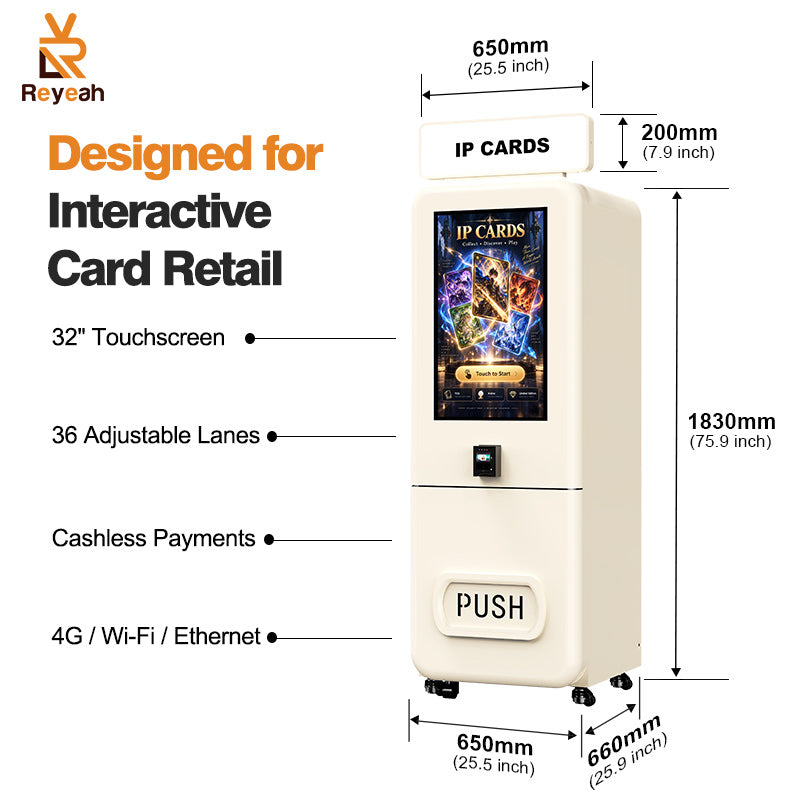
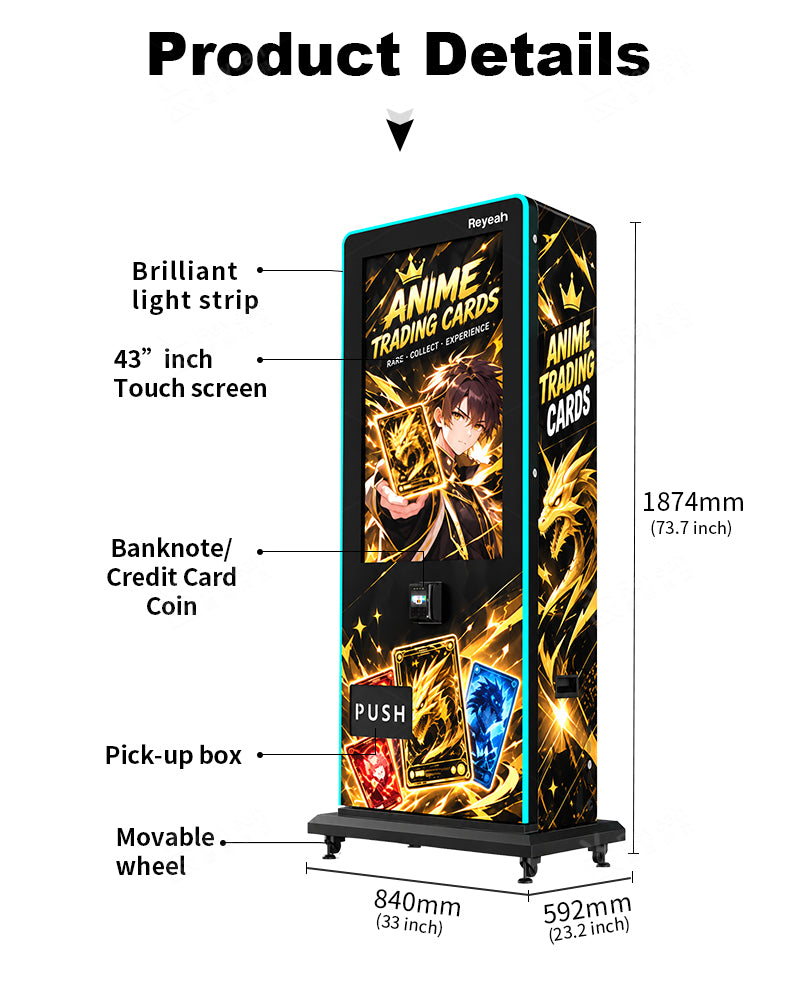
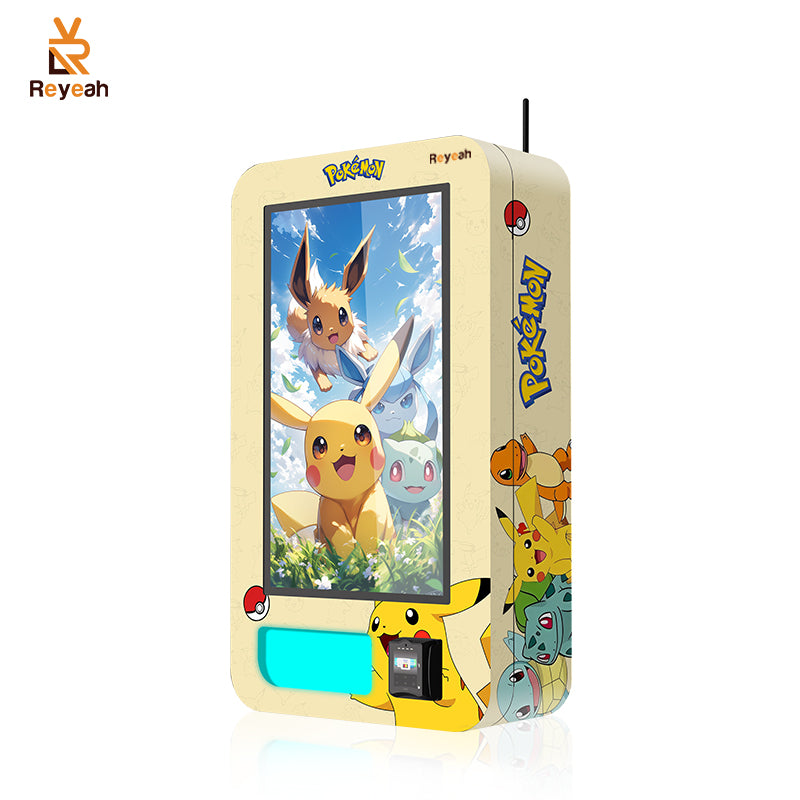
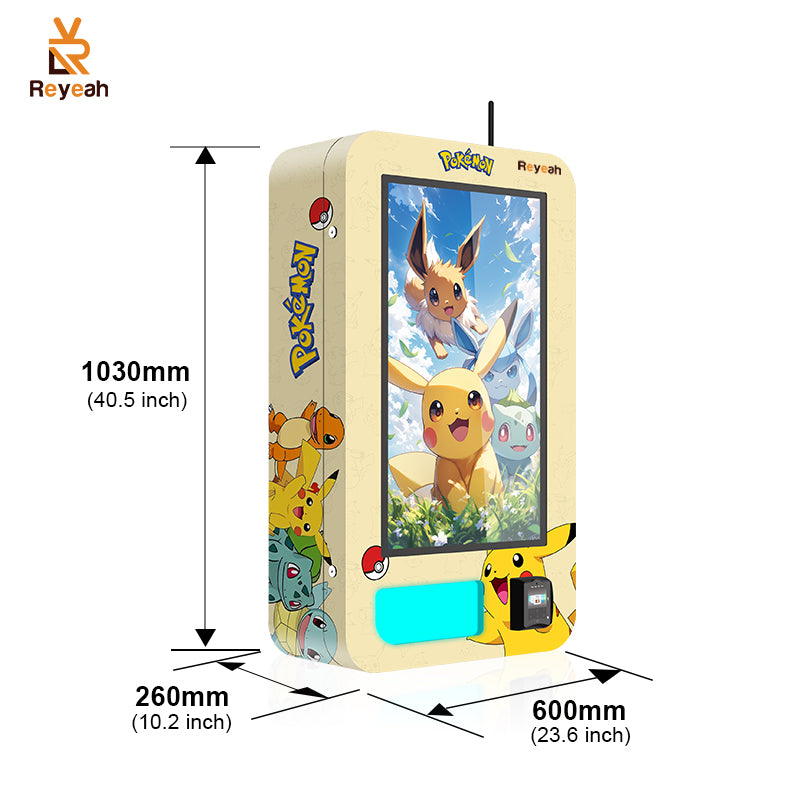
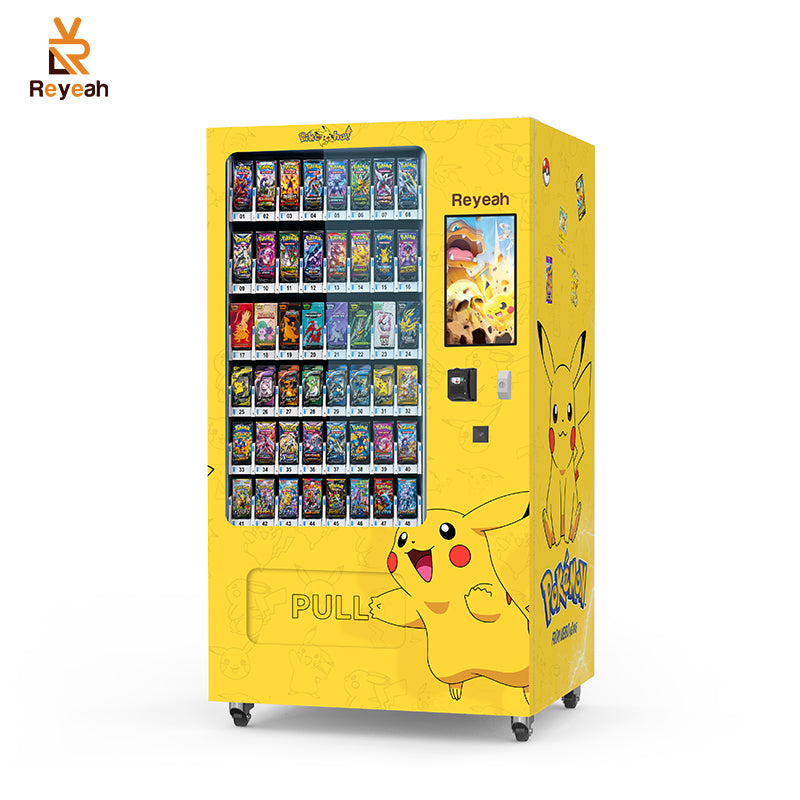
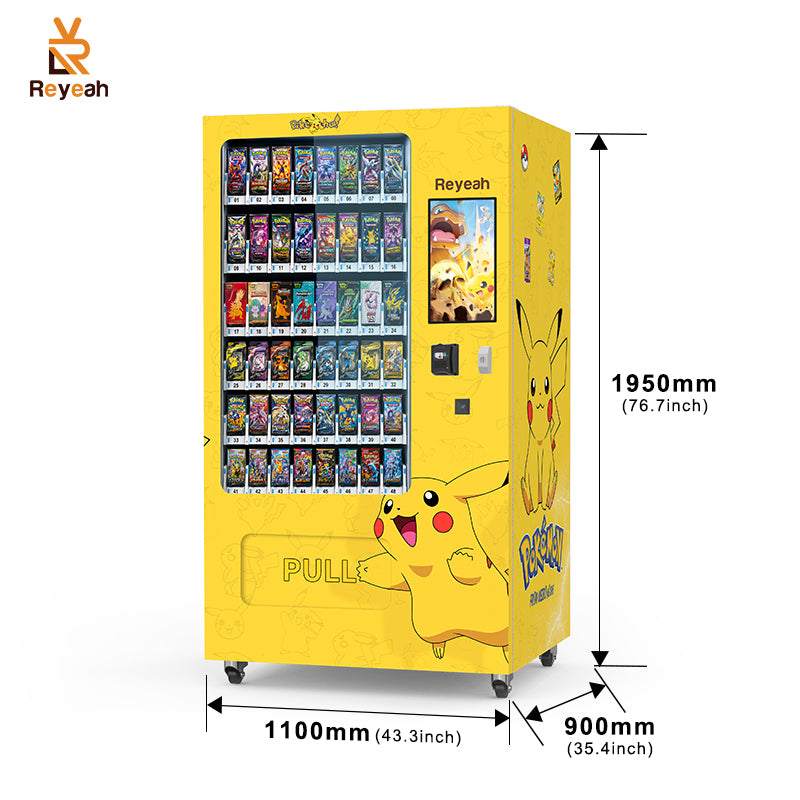
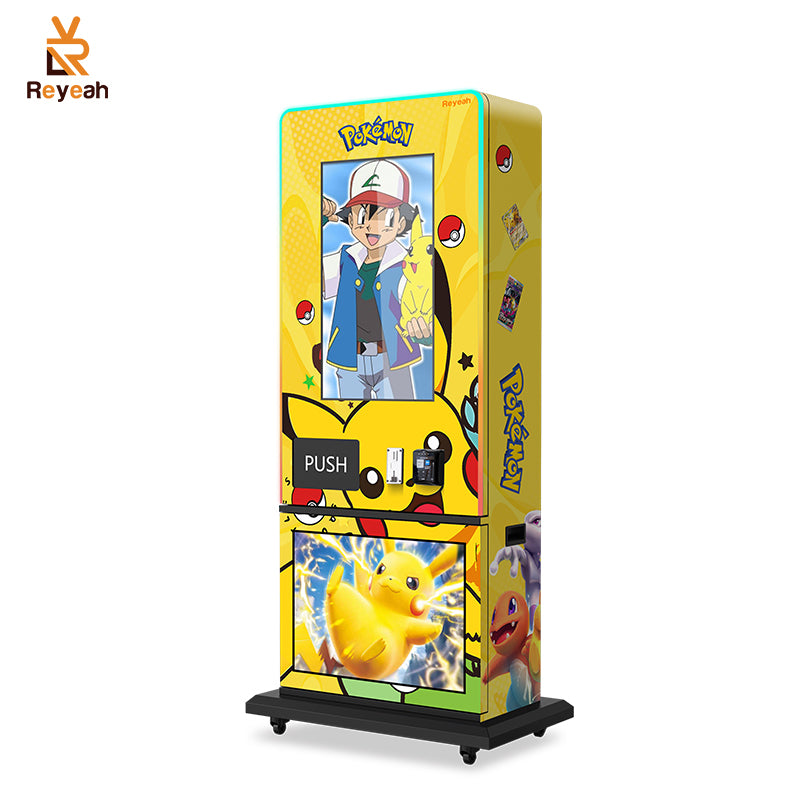
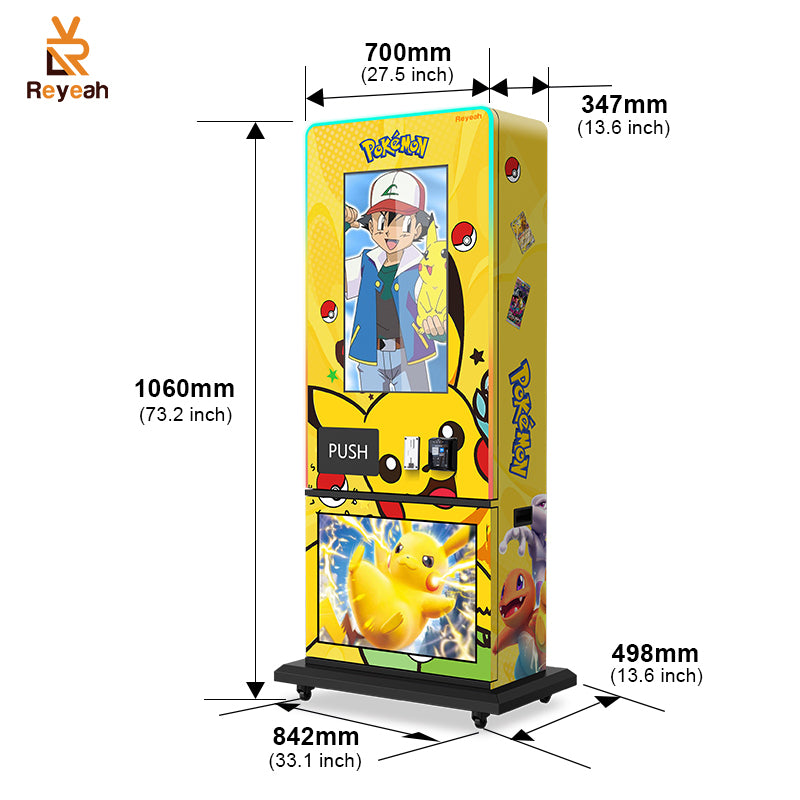
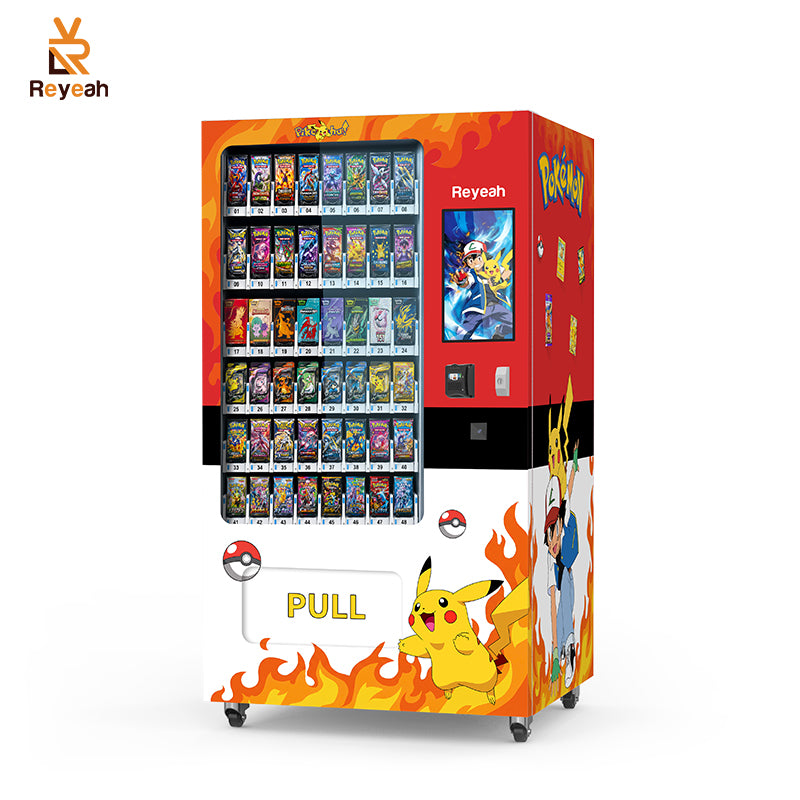
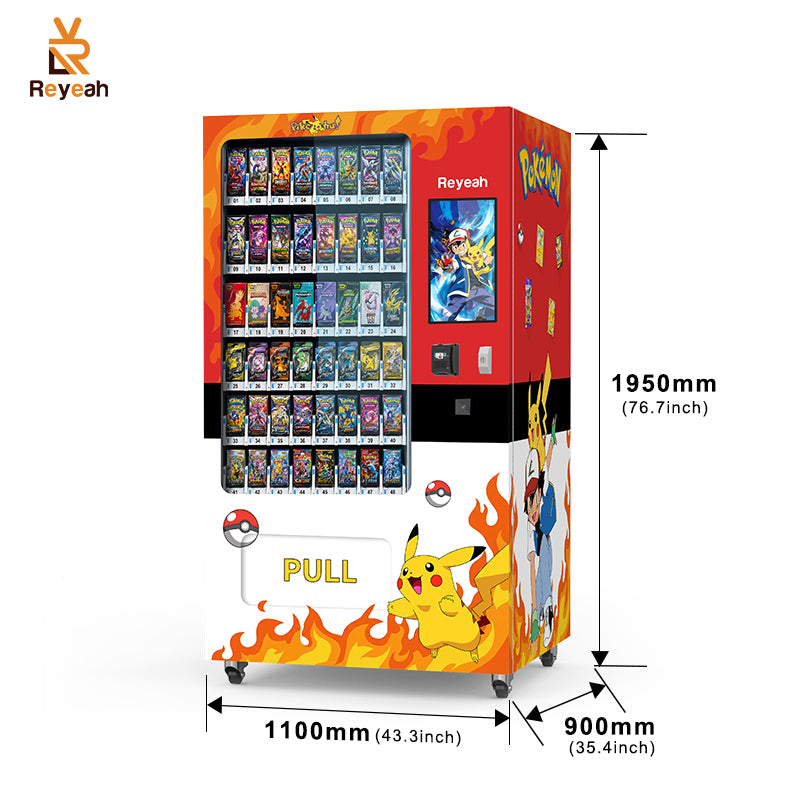
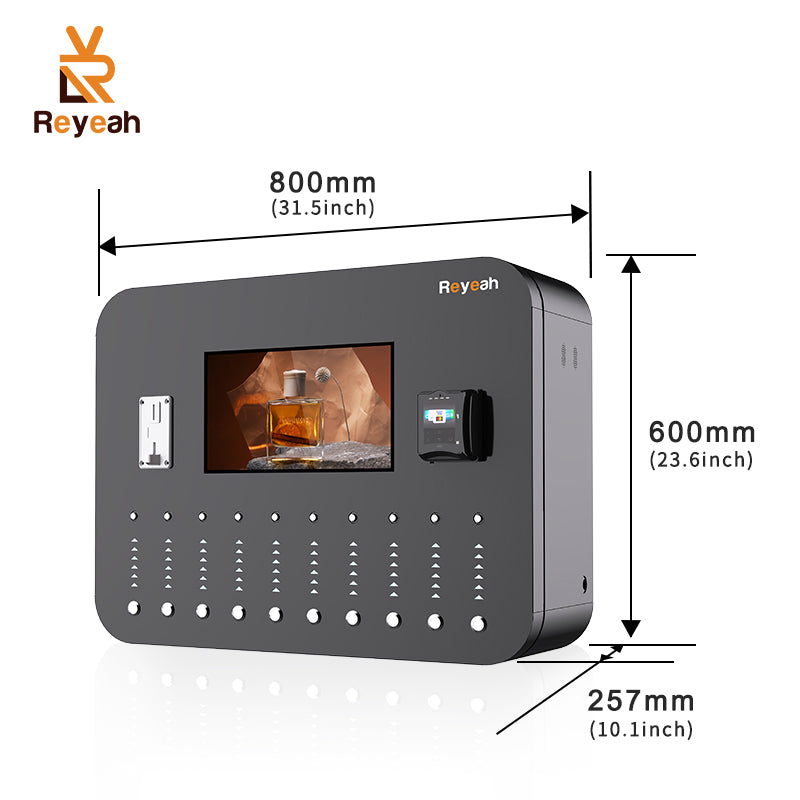
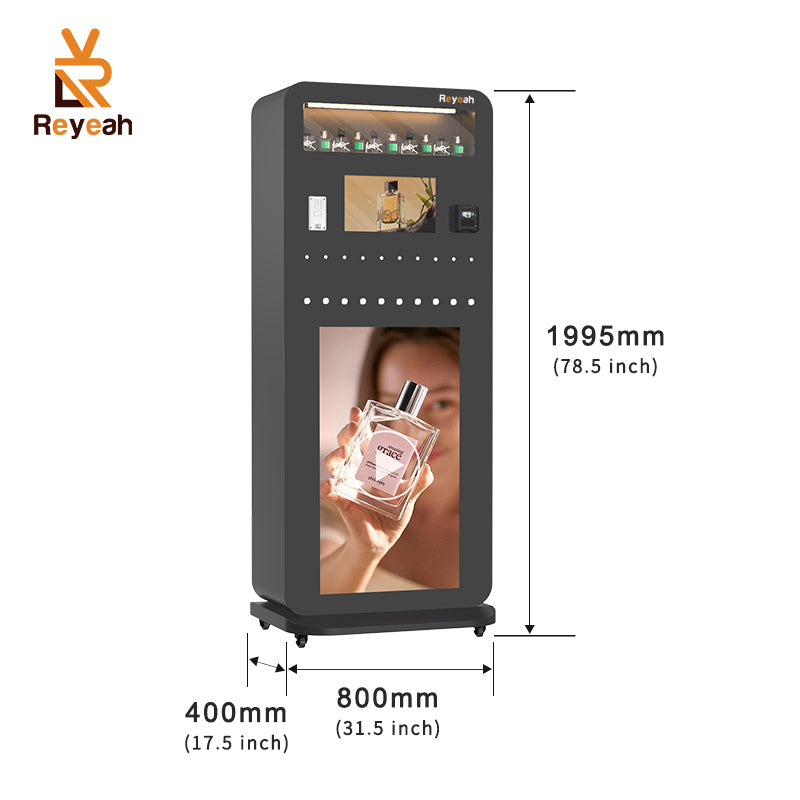
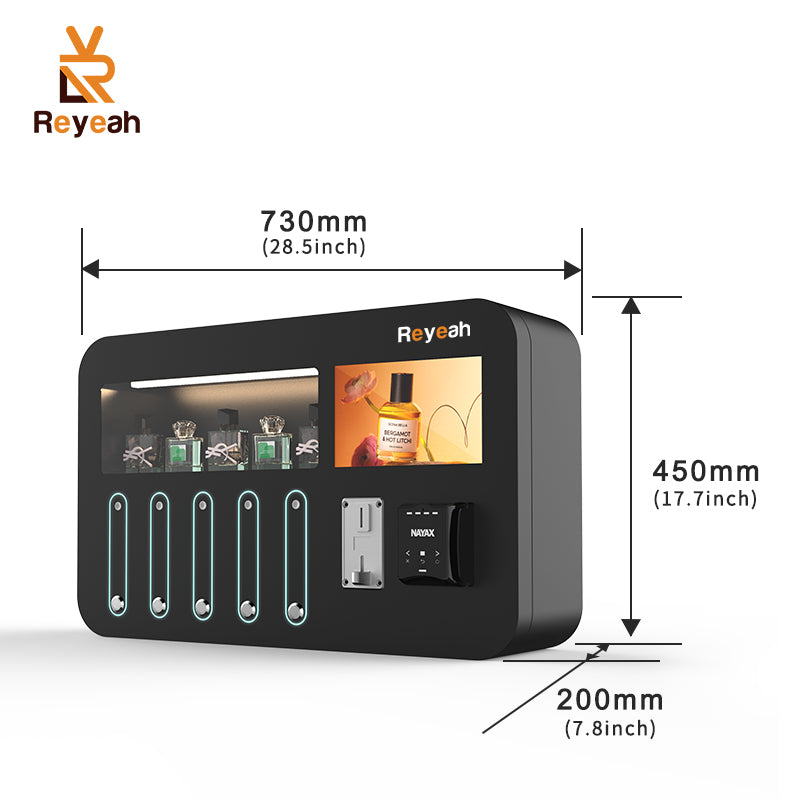
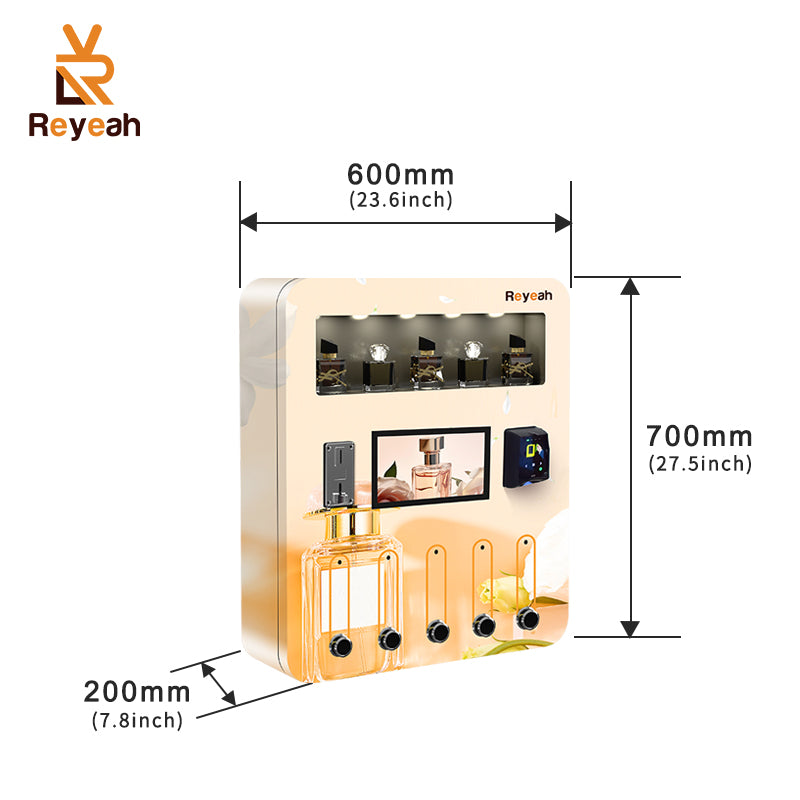
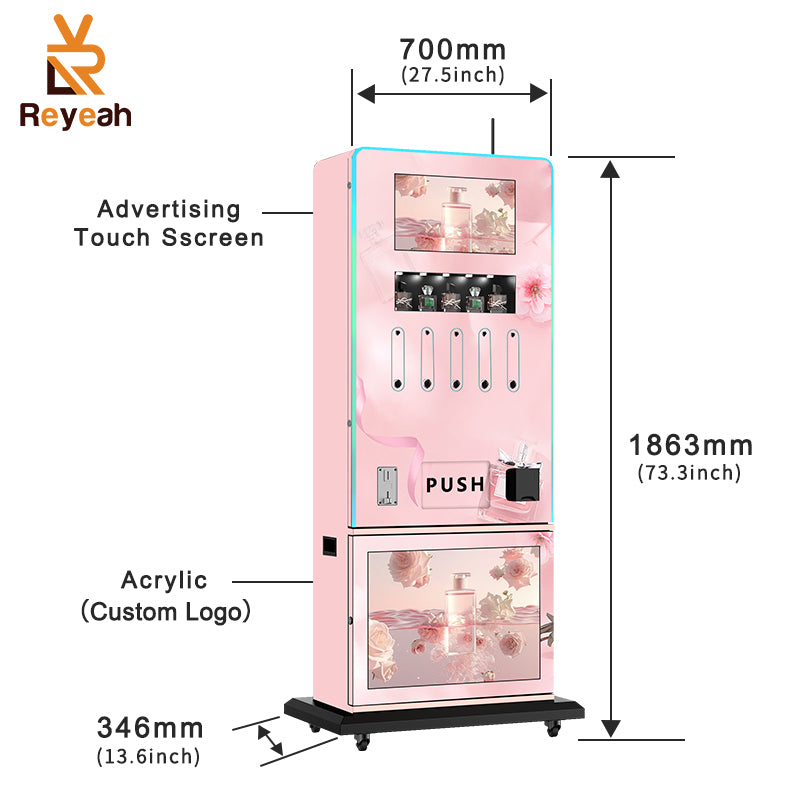
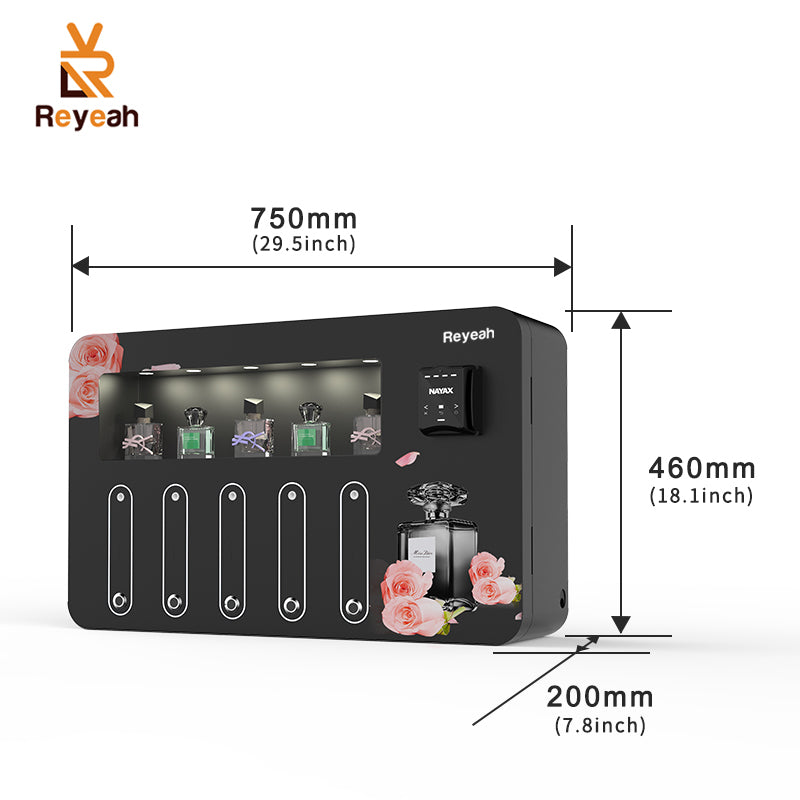
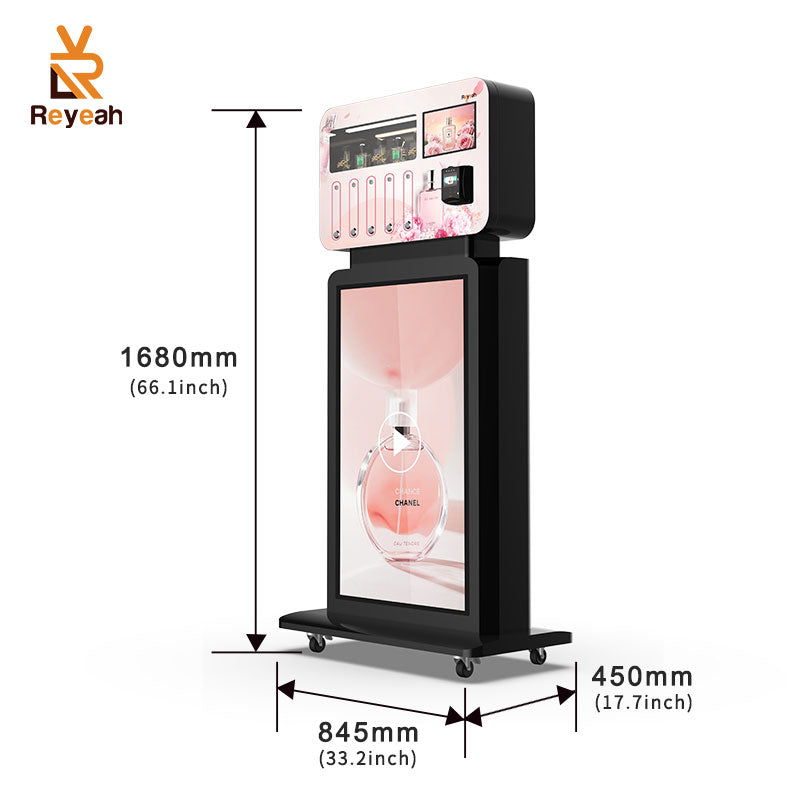
We quote on a fixed line structure so the twelve specification lines are comparable with any other supplier's offer: channel count and lane range, screen and controller, terminal model and payment rails, telemetry scope and data plan, warranty exclusions, spares list and lead time. The card range covers 36 lanes with a 32-inch touchscreen (TCG-12), 24 channels with a 43-inch screen (TCG-11), a 48-channel glass showcase (CUZ016) and the wall-mounted G02, all with Nayax or Cantaloupe integration and 4G/Wi-Fi/Ethernet telemetry.
Because every unit is configured to order, the fastest way to get a comparable number is to send your lane count, payment markets and venue type, and ask for the quote on the same twelve lines. Request a factory-direct quote and we will answer line by line.
FAQ
Is the cheapest TCG vending machine quote usually the worst value? Not always, but a gap wider than roughly a fifth usually means a different scope rather than a better price. Normalise the quote and the gap tends to shrink to the value of the missing line.
Should I compare FOB or DDP prices? Compare on the basis you will actually buy on, and convert everything else to it. FOB is transparent for experienced importers; DDP is simpler but hides the freight and duty markup, which makes supplier comparison harder, not easier.
How many suppliers should I shortlist? Three that have passed verification beats ten that have not. Beyond three, the marginal information is small and the comparison work grows faster than the insight.
Can I ask a supplier to match a competitor's specification? Yes, and you should — send the specification line, not the price. Suppliers can engineer to a lane width or a screen size; they cannot engineer to a number that was never comparable.
What is the biggest hidden cost in a vending machine purchase? Downtime. A jammed lane earns nothing and usually ships nothing, and a supplier without spare lanes converts a small mechanical fault into a multi-week revenue gap. Price the spares kit and the parts lead time before you compare prices.