



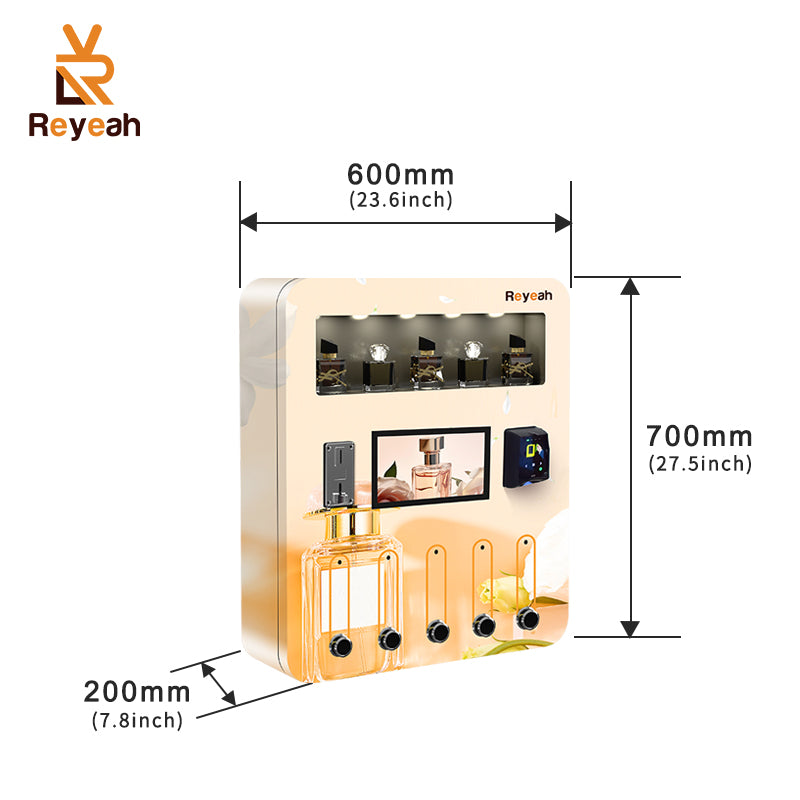

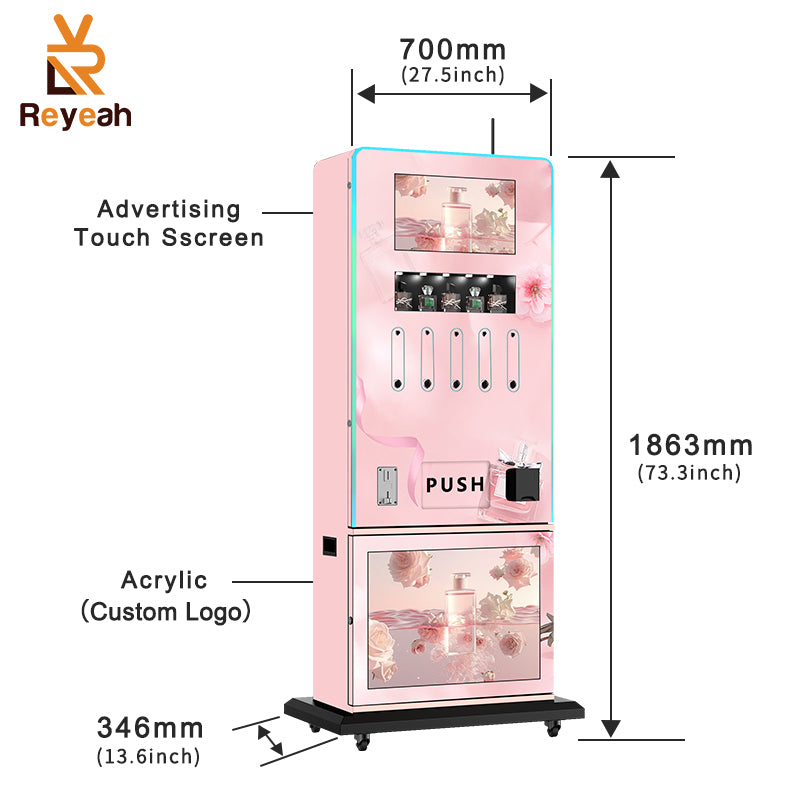

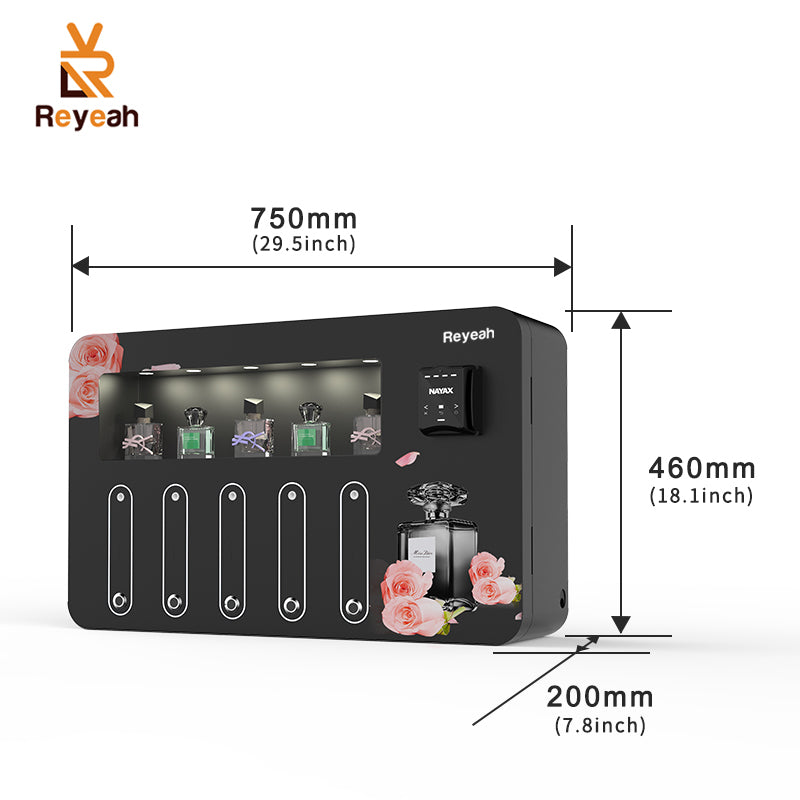

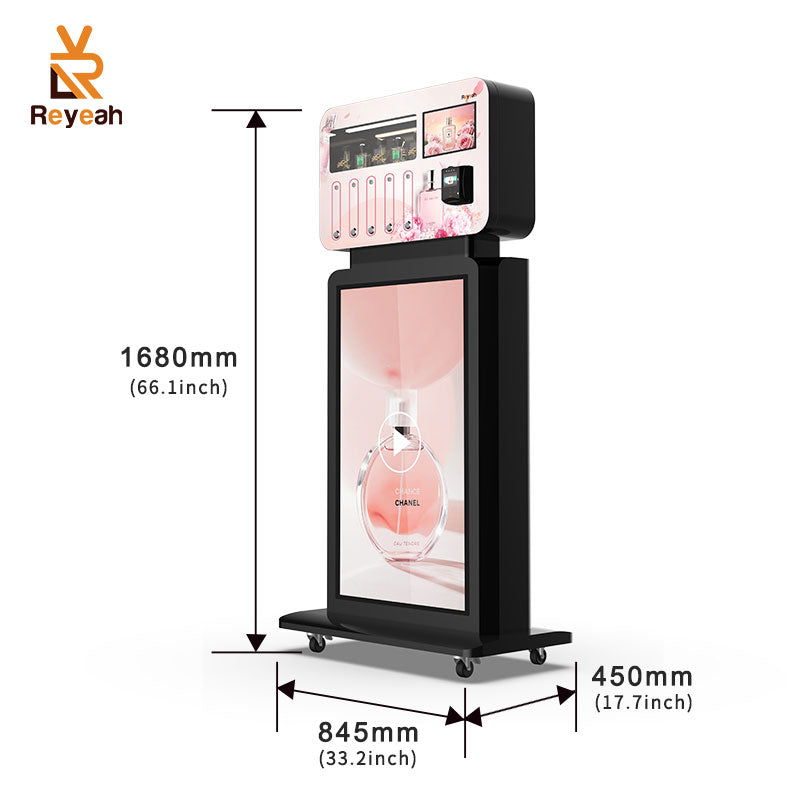
A perfume vending machine looks like retail hardware and behaves like a cosmetics counter: it dispenses a product onto a person's skin, through a nozzle that many people have just touched. That combination is what regulators, venue landlords and brand partners examine first. This checklist covers the five areas that actually come up in practice — nozzle hygiene, alcohol content and flammable-goods handling, labelling, allergen and IFRA conformity, and the documentation you must be able to produce on request.
1. The machine is dispensing a cosmetic product
Fragrance sold by the spray is a cosmetic preparation, not a beverage or a general consumer good. That classification has consequences: the product needs a responsible party in the market where it is dispensed, a compliant ingredient declaration, and a safety assessment file held by that responsible party. If you buy finished fragrance from a fragrance house or brand distributor, confirm which party holds the assessment and whether sampling and decanting are within the licence. If you commission your own juice, that obligation is yours.
This is the first question a hotel group or airport authority will ask, and the answer needs to be a document rather than a description.
2. Nozzle hygiene: the contamination route nobody inspects
Between vends, the nozzle tip is exposed to hands, handbags and the occasional tissue. Three controls cover the realistic risk:
- No skin contact by design. A recessed nozzle at roughly 10–15 cm from the customer's wrist, angled so the spray lands on skin without the tip touching anything, removes most of the exposure.
- A wipe at every service visit. Alcohol wipe on the nozzle tip and the surrounding shroud, and a fresh wipe per channel — not one cloth across five channels.
- Single-use consumables where offered. If you supply blotter cards or tissues, they must be dispensed one at a time and restocked, never left in an open tray.
Sanitation is also a maintenance matter: a nozzle that has dried residue from a previous fill will spit unevenly and drip. Our maintenance and refill guide sets out the cleaning sequence; what matters here is that the sequence is written down and followed by whoever does the visit, with a signed log.
A service log with date, machine ID, channels cleaned, and fill volumes is the single most useful compliance artefact you own. It costs nothing and it answers the question a landlord or inspector asks first.
3. Alcohol content and flammable-goods handling
Most fine fragrance is ethanol-based, typically at a concentration that places the finished product in a flammable-liquid category for transport and storage. Packaged fragrance for retail is generally designed to fall inside the limited-quantity exemptions that let couriers and freight forwarders move it, but the classification depends on the alcohol concentration and pack size on the safety data sheet — not on what the fragrance smells like.
In practice, three things follow:
- Get the safety data sheet with every bulk order. You need the transport classification, flash point and the recommended storage conditions, and you need the current version, not the one sent with the first order.
- Store bulk stock accordingly. Cool, out of direct sun, away from ignition sources, in sealed containers, and not in the same cupboard as cleaning chemicals.
- Never decant in the venue. Refill from prepared containers, off site or in a service area, not in a hotel lobby.
Alcohol content also affects venue temperature limits. A machine placed where internal temperature climbs in summer will see the fragrance behave differently — faster evaporation, changed spray pattern, and accelerated degradation of top notes. Ask whether the machine's stated operating range applies to the electronics or to the liquid, and place accordingly.
4. Labelling: what must appear at the point of sale
A customer spraying an unlabelled fragrance cannot check what is in it, and cannot make an informed purchase. At minimum the machine should display, per channel: fragrance name, concentration type (EDP, EDT, mist), the responsible party's name and address, the ingredient declaration with allergens called out, batch code, and any required safety phrasing. In many markets the same information must be reachable in the language of the market.
A screen-based interface makes this cheap to solve: a product page per channel, with the ingredient list one tap away. Wall-mounted units without a screen need a printed card or a QR code that resolves to the same content — printed cards fade and get removed, so a QR route with a printed fallback is the durable combination.
5. Allergen declaration and IFRA conformity
Two separate frameworks apply, and they answer different questions. IFRA Standards govern the safe use of fragrance ingredients and set concentration limits by product category; the declaration regime — in the EU, the Cosmetics Regulation, elsewhere the local equivalent — governs what must be printed on the label and which allergens must be named above threshold.
Your obligations as an operator are to source fragrance that is already IFRA-conformant for the leave-on skin category and to keep the supplier's conformity statement. If a fragrance house cannot provide an IFRA certificate for the exact fragrance and category, do not put it in a machine. This is not a paperwork preference: an unconformable concentration limit is a product safety issue, and it is the one item a brand partner will always test before signing.
6. Venue and licensing questions that come up
| Question | Typical answer | Who to confirm with |
|---|---|---|
| Does the machine need a vending or retail licence? | Usually the venue's trading permission covers it; some municipalities require registration | Local business licensing office |
| Is fragrance sampling an age-restricted activity? | No in most markets, but alcohol-based products may attract conditions in some venues | Venue operator, local regulator |
| Can bulk fragrance be stored on site? | Small working quantities only; bulk stays in a service store | Venue fire-safety policy |
| Who owns the waste? | Empty bottles, wipes and packaging are your responsibility, not the venue's | Venue contract |
| Does the machine need insurance? | Public liability plus cover for stock and the unit | Broker; see our route scaling guide for what to specify |
7. The documentation file to keep per fragrance
One folder per fragrance in service, containing: safety data sheet (current version), IFRA conformity statement, ingredient and allergen declaration as supplied, batch code and fill dates per machine, the supplier's contact and licence terms covering sampling, and the safety assessment reference held by the responsible party. Keep it in the cloud, and keep it in the language of the market where the machine trades.
When a hotel group, an airport concession or a cosmetics brand asks whether your operation is compliant, this folder is the answer. Operators who can produce it in ten minutes win contracts that operators with a better machine and no paperwork lose.
FAQ
Is a perfume vending machine subject to cosmetics regulations? The fragrance it dispenses is a cosmetic product, so the product must be compliant in the market where it is dispensed — ingredient declaration, allergen labelling, safety assessment and IFRA conformity. The machine itself is retail hardware.
How do I keep the nozzles hygienic? Recess a nozzle so it does not contact skin, wipe the tip with an alcohol wipe at every service visit, use one wipe per channel, and keep a signed cleaning log per machine.
Is ethanol-based fragrance a dangerous good for shipping? Often yes for transport classification, though retail pack sizes frequently qualify for limited-quantity handling. The safety data sheet states the classification and flash point for your exact product.
What must be labelled on a fragrance vending machine? Per channel: fragrance name, concentration, responsible party, ingredient and allergen declaration, batch code, and safety phrasing in the market's language — on screen, on a card, or behind a QR code with a printed fallback.
Do I need IFRA certificates? Yes. Source fragrance that is IFRA-conformant for leave-on skin use and keep the certificate for the exact fragrance and category.
Can I refill channels in the venue? Refill from prepared containers in a service area or off site. Decanting bulk fragrance in a public lobby creates a spill, flammable-liquid and contamination risk in one step.
Conclusion
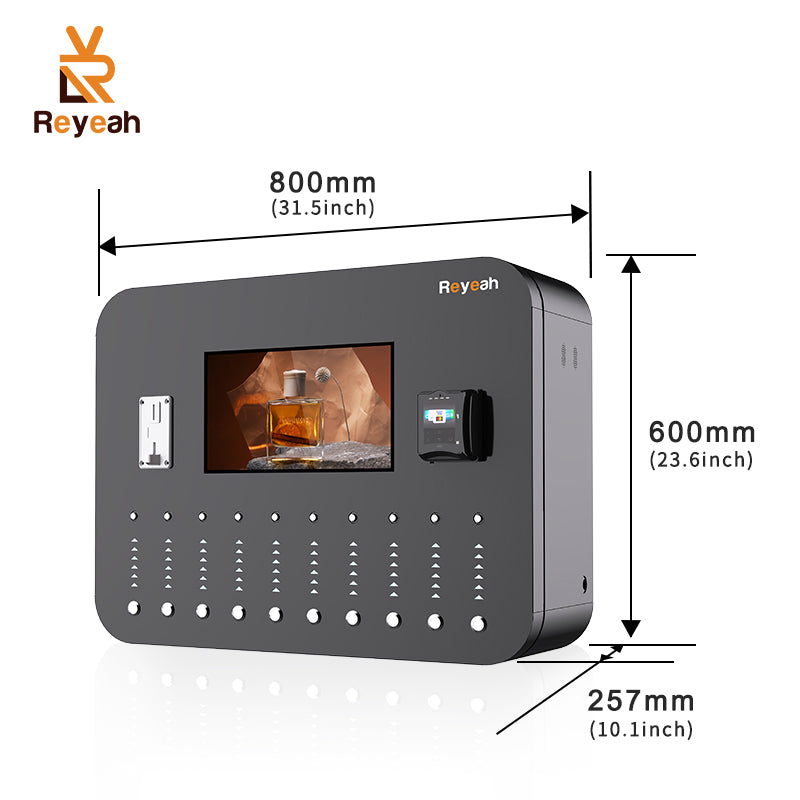
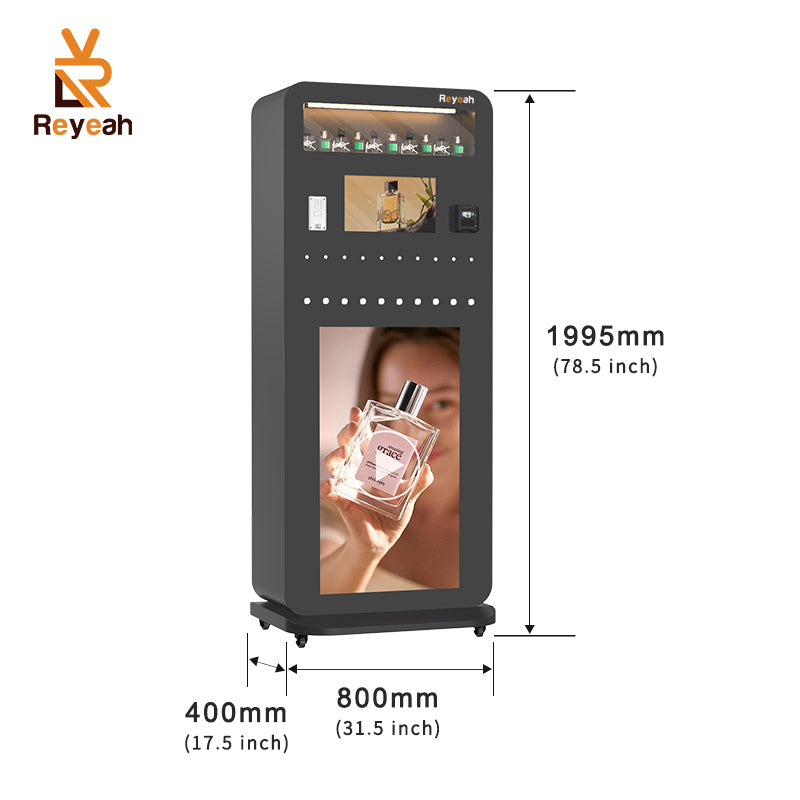
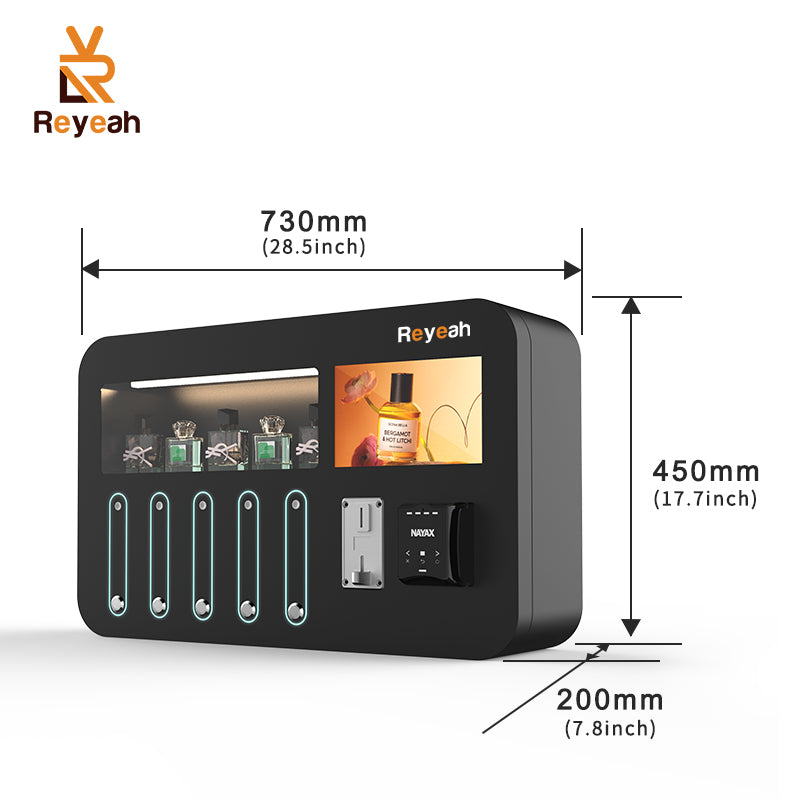
Compliance for a perfume sampling machine is five documents and three habits: safety data sheets and IFRA statements per fragrance, a labelling route that reaches the customer, a signed hygiene log, a storage rule for bulk stock, and a service routine that never decants in public. None of it is expensive; all of it is what separates an operator who can sign a hotel or airport contract from one who cannot. Reyeah supplies the machine side — screen or screenless formats, recessed nozzles, per-channel fill records — across the perfume vending machine range. For the operating side, pair this with our refill and maintenance procedure, or ask us for the documentation pack we provide with each order.