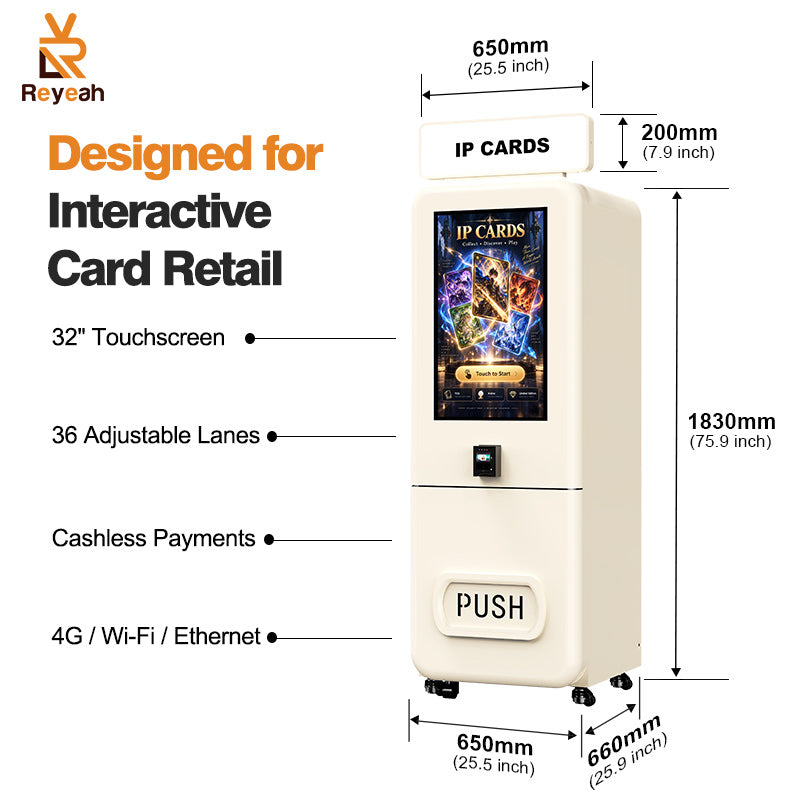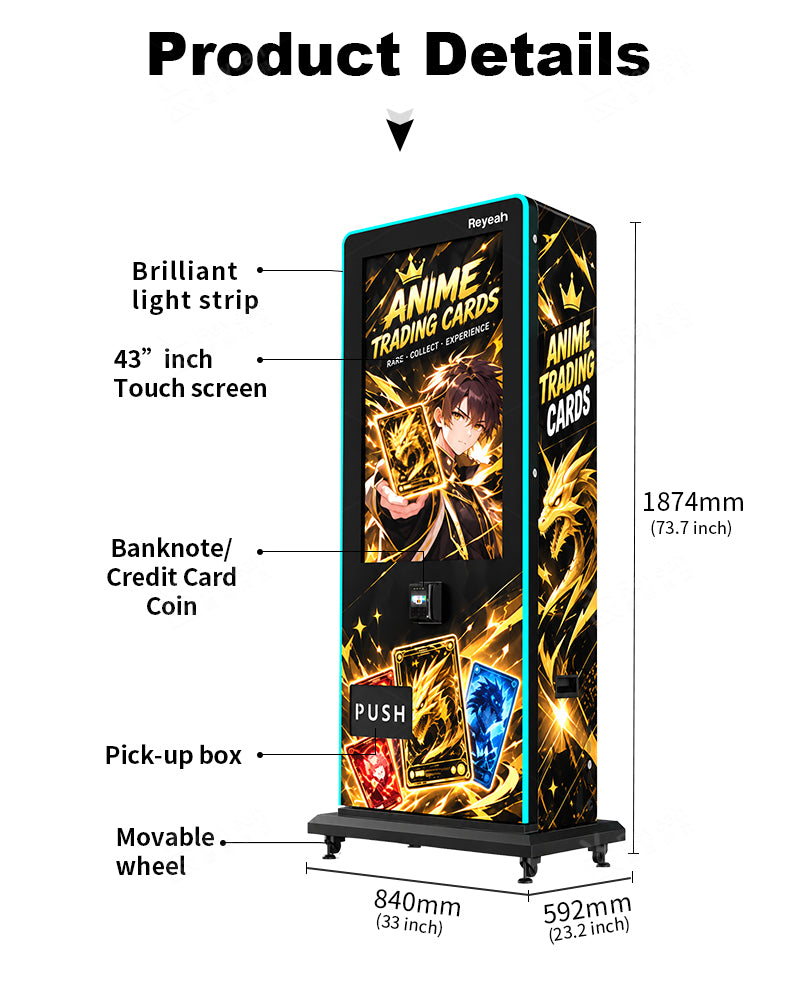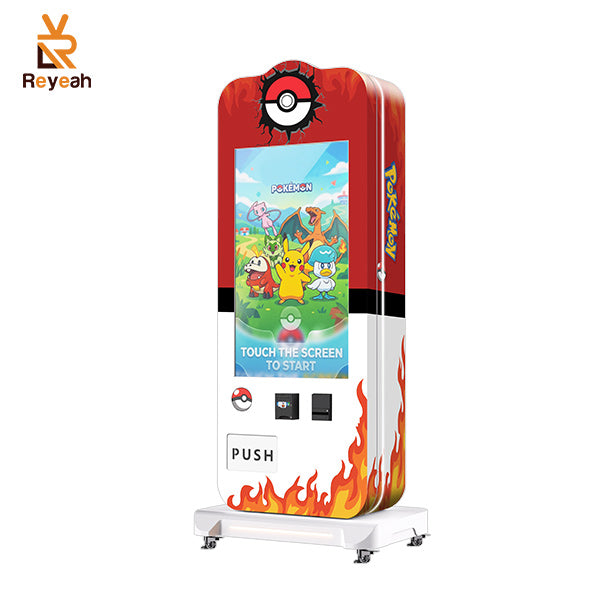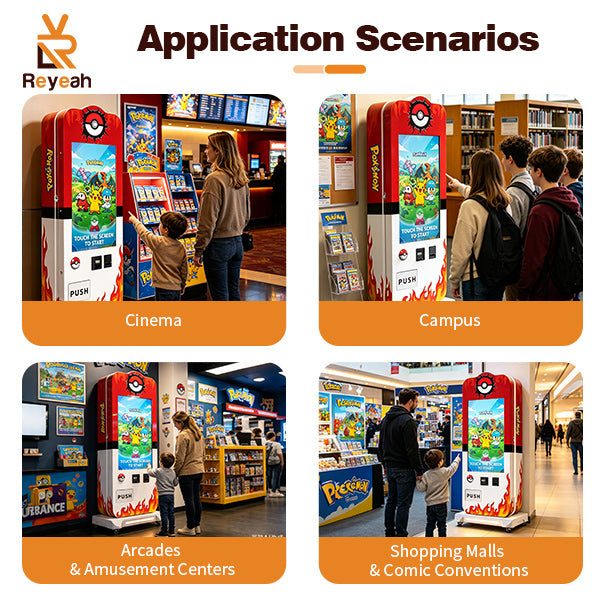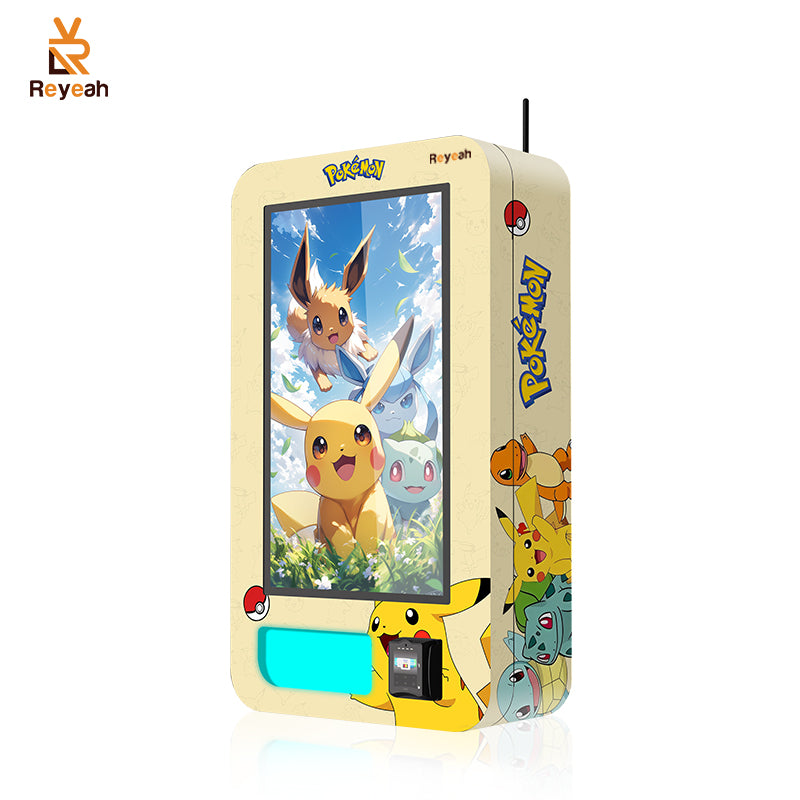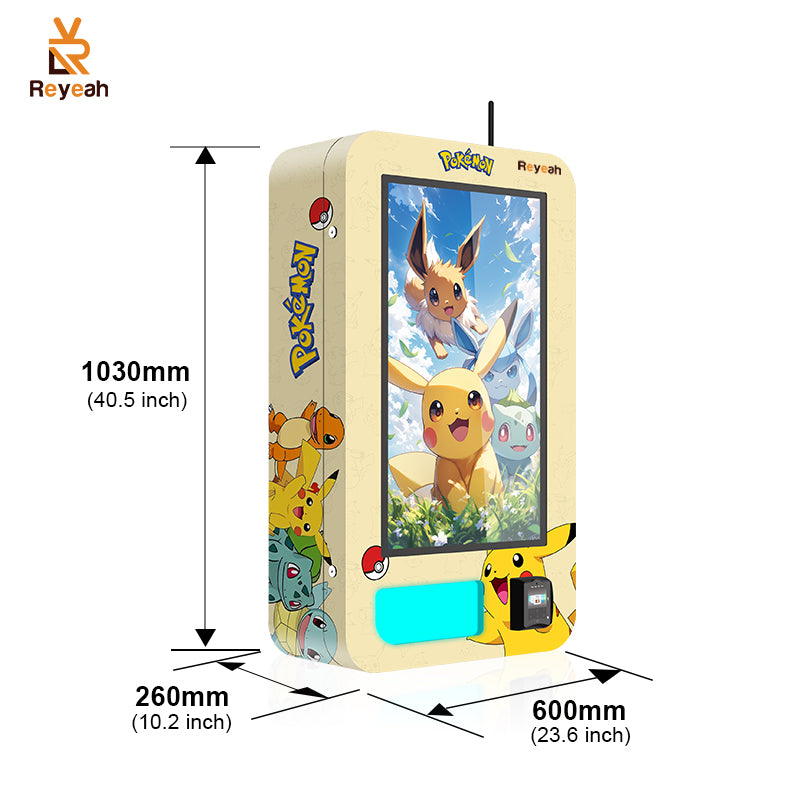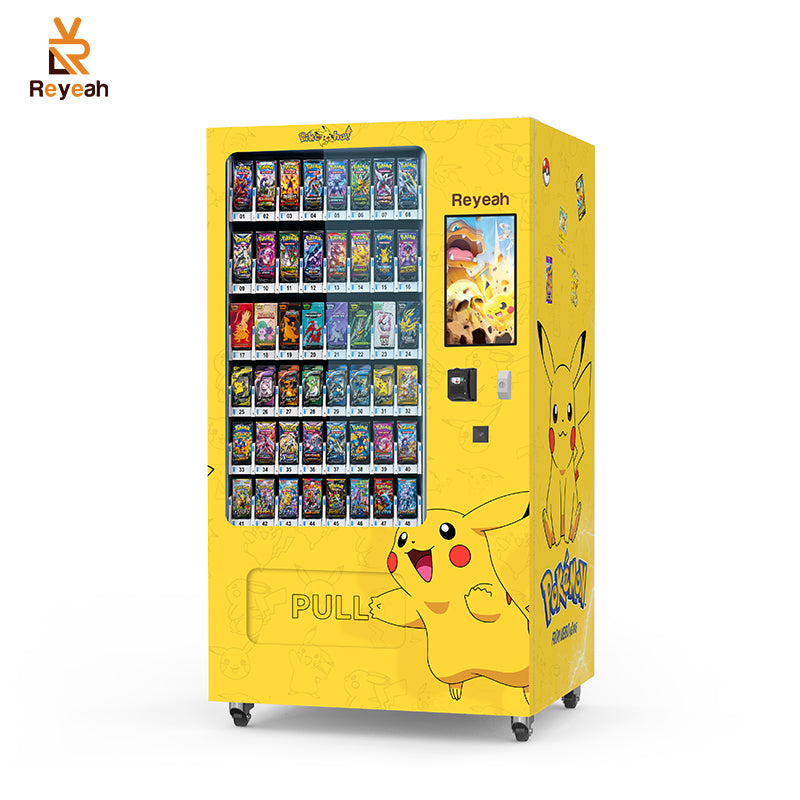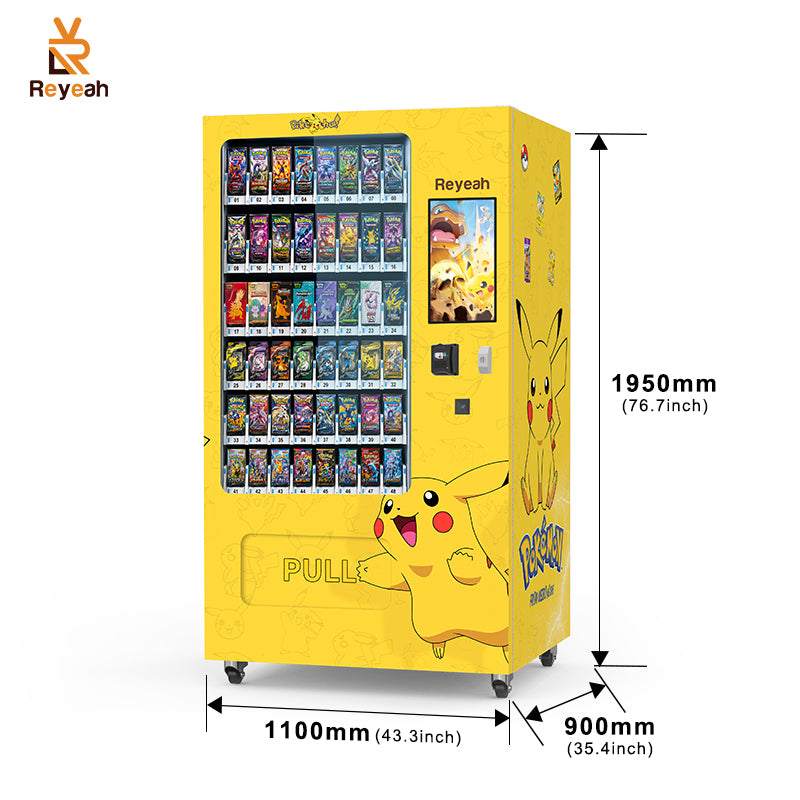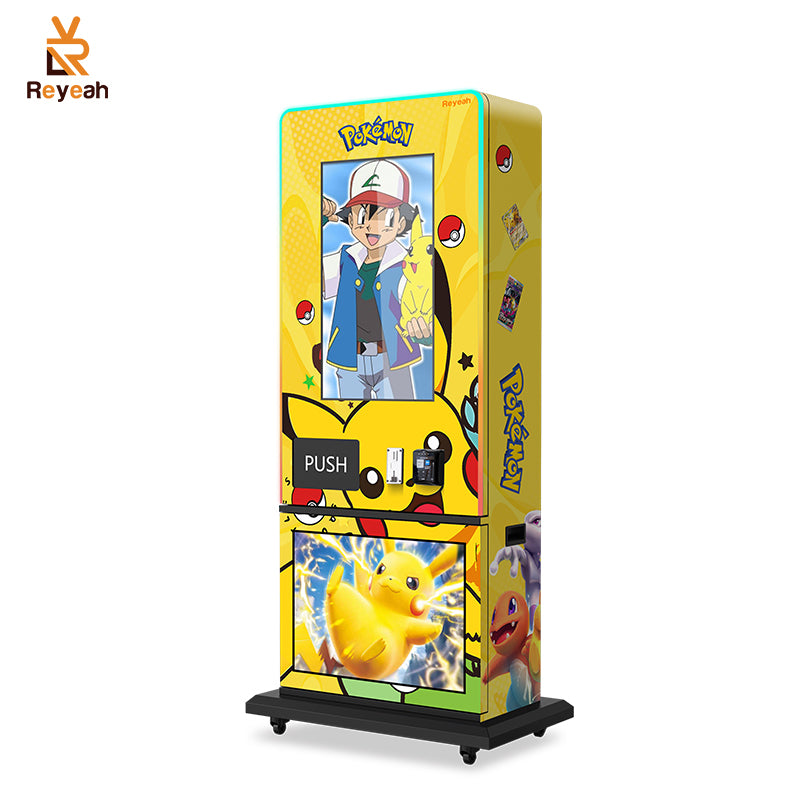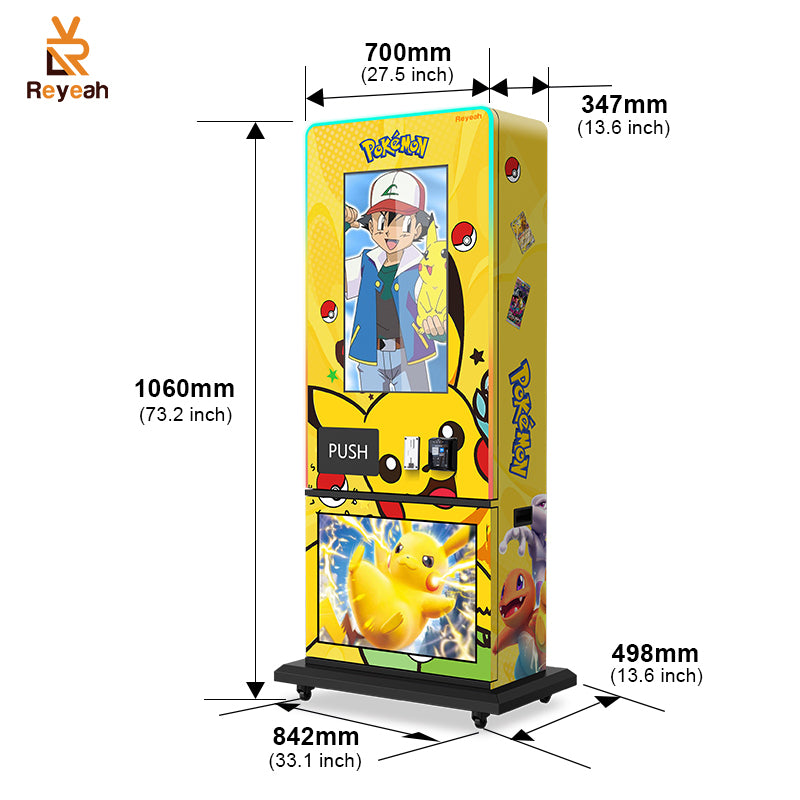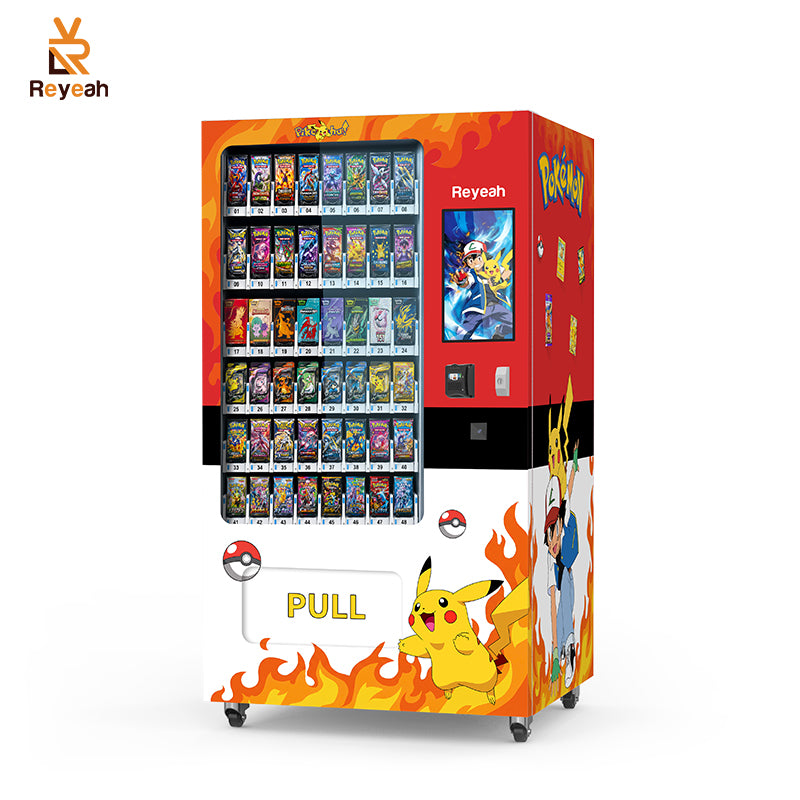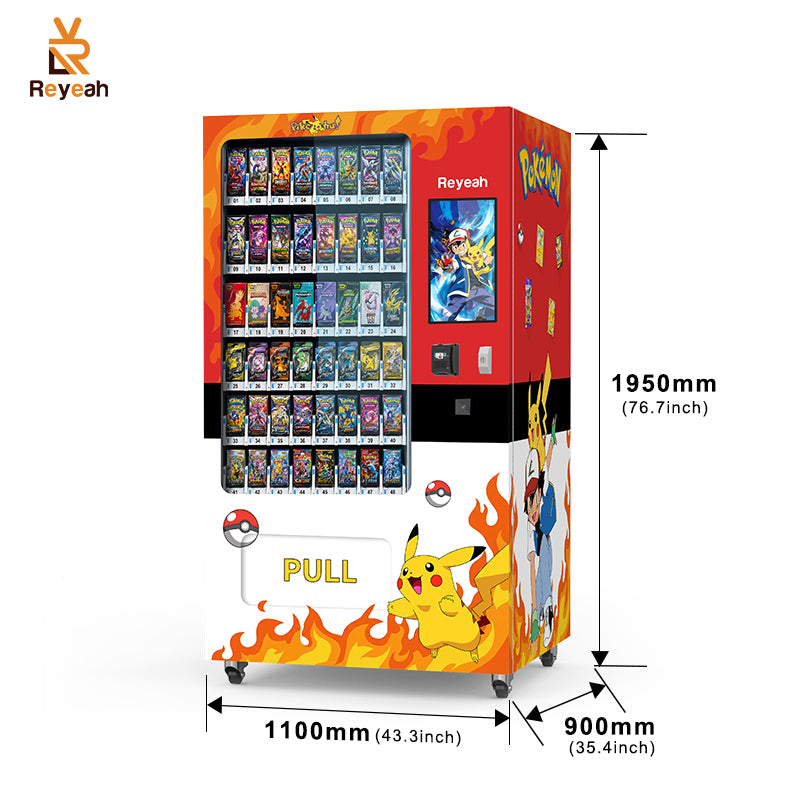

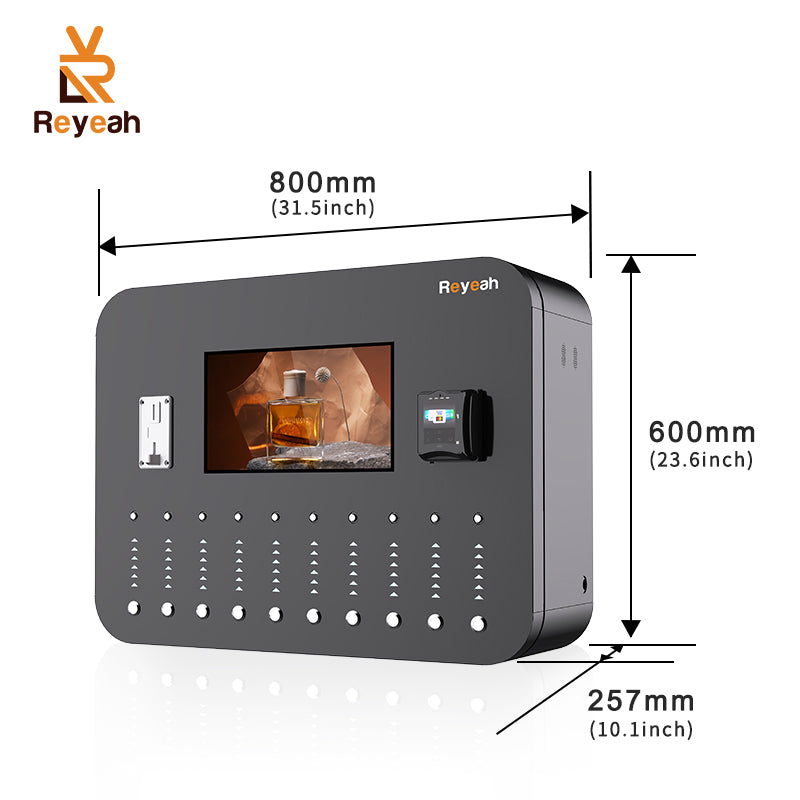

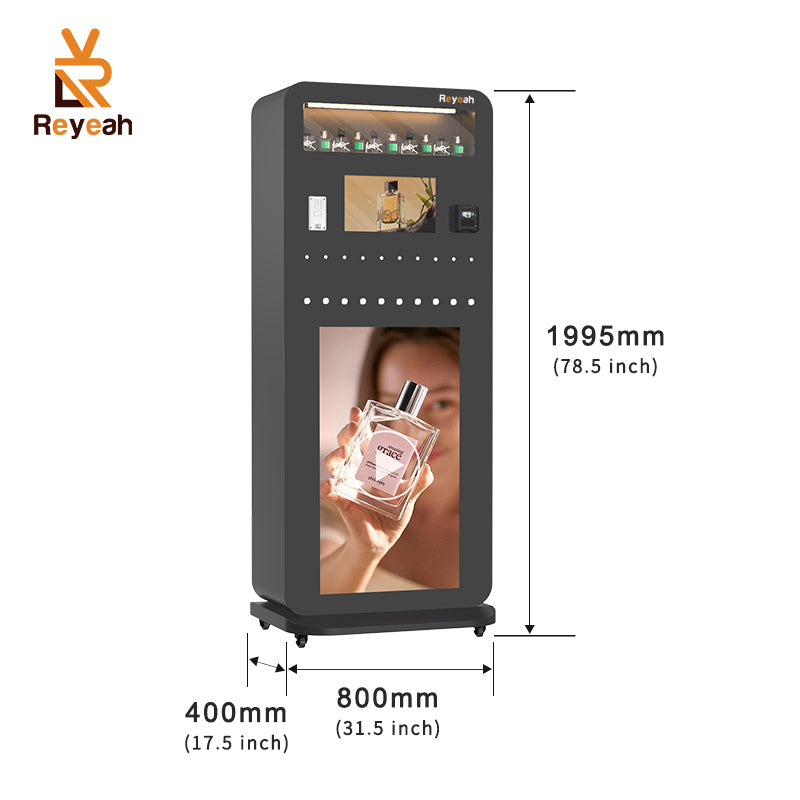

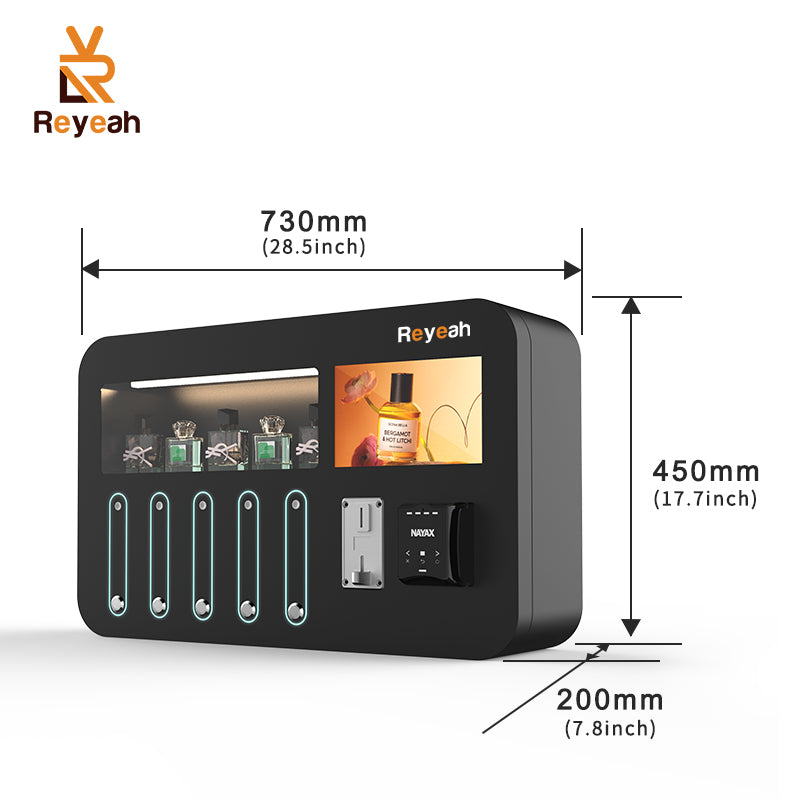

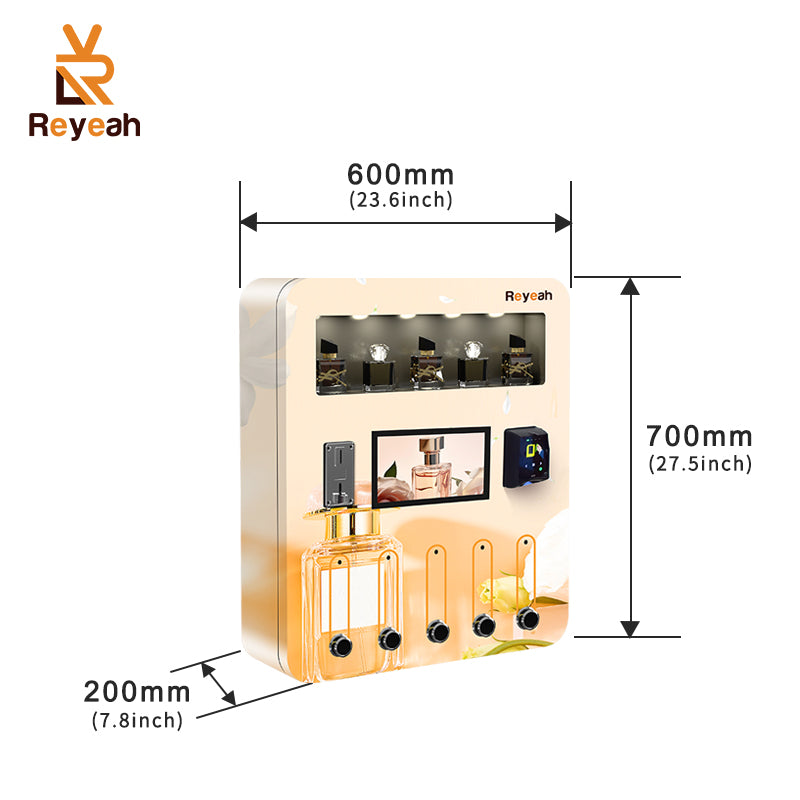



A card vending machine earns or bleeds on what you put inside it. Hardware is a one-time purchase; sealed product is a monthly one, and the difference between buying a booster box at 70% of MSRP and at 90% is the difference between a healthy margin and a machine that only looks busy. This guide covers the three sourcing routes, how allocation actually works around a release, and the pricing language — MSRP, MAP and street price — that decides what you can advertise.
1. "Sealed" is a condition claim, not a category
In the trading card market, sealed means unopened factory product: booster boxes, bundles, elite trainer boxes, tins, and single packs where the retailer supplied them from a sealed case. Sealed matters to a vending machine for two reasons. First, the customer cannot inspect what they are buying before it drops into the retrieval bay, so the machine's reputation rests entirely on your sourcing integrity. Second, a resealed or searched box is indistinguishable from a factory box in a photograph — which is why sourcing discipline is a risk control, not a preference.
Practical rule: buy from a route where you can trace the case. If you cannot say which case a box came from, you cannot defend a complaint.
2. Three sourcing routes, in order of priority
Route A — authorised distributors. The only route that guarantees factory-sealed allocation and protects you if a manufacturer runs a replacement or recall programme. Requirements vary: a business registration, a physical retail or online presence, sometimes a minimum order and a payment history. Vending is still treated as a specialist channel by many distributors, so expect to explain the machine format and where units are placed.
Route B — secondary wholesale and case breaks. Distributors who sell cases will often sell to independent operators, and the pricing is competitive on older sets. The risk is provenance on new releases, where the secondary market fills with product bought at retail during hype and resold. Verify seals, ask for case photographs, and never take a first order of a hot set without seeing the case.
Route C — retail arbitrage. Buying at retail during promotions and reselling through a machine. It works on clearance and older product, and it is a losing strategy on new releases: the margin cannot absorb the machine's commission, and stock is unreliable exactly when demand peaks.
Most operators run A for new releases and B for catalogue depth. Both need an account, so start the paperwork before you need the stock — distributor onboarding takes longer than machine installation.
3. Allocation around a set release
When a new set launches, manufacturers ship to distributors in proportion to history, and distributors allocate to accounts in proportion to theirs. Allocation is the single biggest supply constraint on a card vending operation, and it is won or lost on the boring parts: ordering every set rather than only the hyped ones, paying on time, and returning accurate sell-through data when asked.
- Lock the order window. Preorder dates for a set usually close weeks before release. Put the dates in a calendar and treat them as immovable.
- Order depth on core sets, breadth on everything else. Deep positions on the set that will still sell in six months; single cases on the speculative ones.
- Never sell allocation stock early. If you break a case to fill a machine before release date, you have created a street-date violation and a reason for the distributor to cut you next cycle.
Our guide to writing a business plan for a card vending route includes a stock planning sheet that maps allocation to machine capacity.
4. MSRP, MAP and street price
Three prices exist for the same box, and confusing them damages both margin and relationships.
| Price | What it means | Who sets it |
|---|---|---|
| MSRP | Manufacturer's suggested retail price — the reference customers recognise | Manufacturer |
| MAP | Minimum advertised price — a policy some manufacturers and distributors apply to advertised pricing | Manufacturer or distributor policy |
| Street price | What the market actually pays today, which moves with hype and supply | Market |
A vending machine is a display, so treat the price on the screen as advertised pricing. If a distributor's policy sets a minimum advertised price, respect it — a machine that undercuts MAP on a main concourse is visible to every other account in the territory. Where no such policy applies, price to the street: a hot set supports MSRP or above, an older set needs a discount to move at all.
The commercial discipline that follows is simple: never price a machine off what you paid. Price off the street, and let your purchase price decide whether the channel is worth stocking.
5. Margin at wholesale: the scenario table
Work the margin before you commit to a case. The table assumes a $100 MSRP box and a $1,000 monthly site cost, so the units-needed column shows how many boxes a site must move to cover its fixed cost at each purchase price.
| Purchase price | Gross margin at MSRP | Units to cover $1,000/month | Verdict |
|---|---|---|---|
| $70 (70% of MSRP) | $30 per box | 34 | Workable in a high-footfall venue |
| $80 (80% of MSRP) | $20 per box | 50 | Only with a busy site and fast turns |
| $90 (90% of MSRP) | $10 per box | 100 | Not a vending business — a hobby |
| $100 (retail) | $0 | — | Never |
Two adjustments belong in any real version of this table: payment fees on every vend, and the fact that a machine's channel capacity caps how many units a site can physically hold. A 48-channel machine stocked with 12 SKUs at four units each is a four-box inventory — so turnover, not shelf life, is what forces frequent restocking.
6. Product mix: what belongs in a channel
A vending machine is a display case with finite positions, so mix is a merchandising decision. A workable default for a 24- or 48-channel machine:
- Two thirds core sets. The current flagship set and the one before it, because these are what walk-in customers recognise.
- One sixth single packs. The lowest-ticket item in the machine, and the one that converts a curious passer-by.
- One sixth premium or collector items. A bundle, a special set, or a graded single where the machine supports slab positions. Highest margin per vend, slowest turn.
Review the mix monthly against sales by channel. A channel that has not turned a unit in 30 days is occupying a position that could carry something that sells.
7. Verifying you bought what you paid for
Five checks catch most problems: factory shrink wrap with a clean seam rather than a heat-gun finish; consistent print and colour on the case carton; a case that matches the distributor's stated batch; weight consistency across boxes in the same case; and a supplier willing to put provenance in writing. On high-value sets, film the unboxing of the case. It is a two-minute habit that settles arguments.
Do not buy sealed product from a marketplace listing with no case reference for a machine you operate. The two dollars you save per box are not worth the complaint you cannot answer.
FAQ
How do I get a distributor account for sealed TCG product? Register a business, provide a physical or online retail presence, and explain the vending channel and its locations. Expect a minimum first order and to order every set, not just the hyped ones.
What is the difference between MSRP and MAP? MSRP is the suggested retail price customers recognise; MAP is a minimum advertised price that a manufacturer or distributor may require accounts to respect. Street price is whatever the market actually pays today.
Can I sell above MSRP in a vending machine? Where no pricing policy prohibits it, yes — hot sets frequently trade above MSRP. Treat the screen price as advertised pricing and check your distributor's terms first.
How much margin do I need on a booster box? At least 25–30% of MSRP to carry a vending site's fixed cost. Below 20%, the site needs unrealistic turnover to break even.
How much stock does a machine hold? A 48-channel machine stocked with 12 SKUs at four units each holds roughly four booster boxes. Capacity is a merchandising constraint, so plan restocking by turn rate rather than by shelf life.
How do I spot resealed product? Check the shrink-wrap seam, carton print consistency, weight consistency within the case, and the distributor's batch reference. On premium sets, film the case opening.
Conclusion
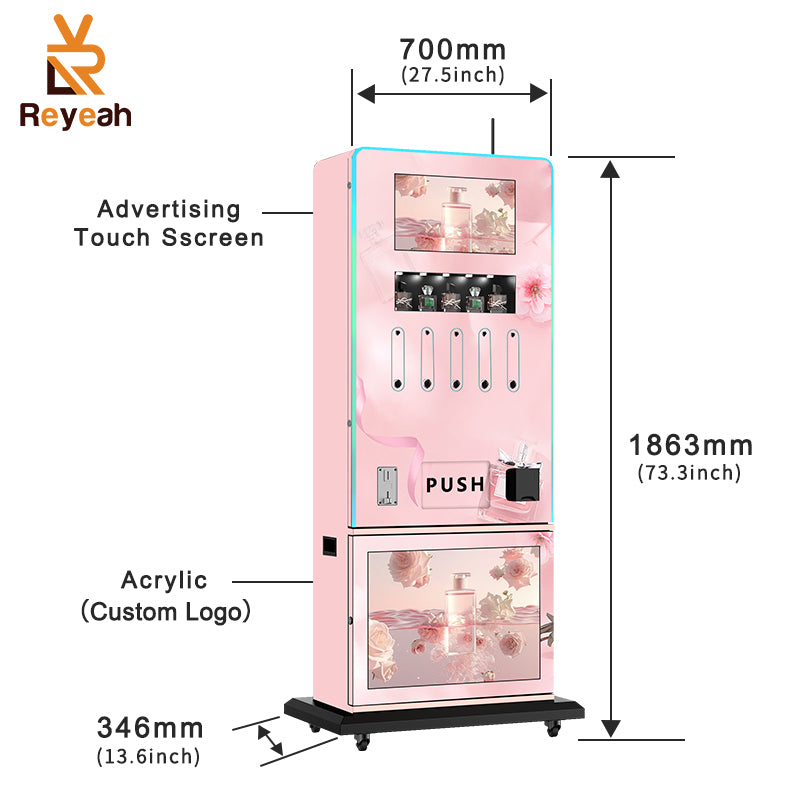
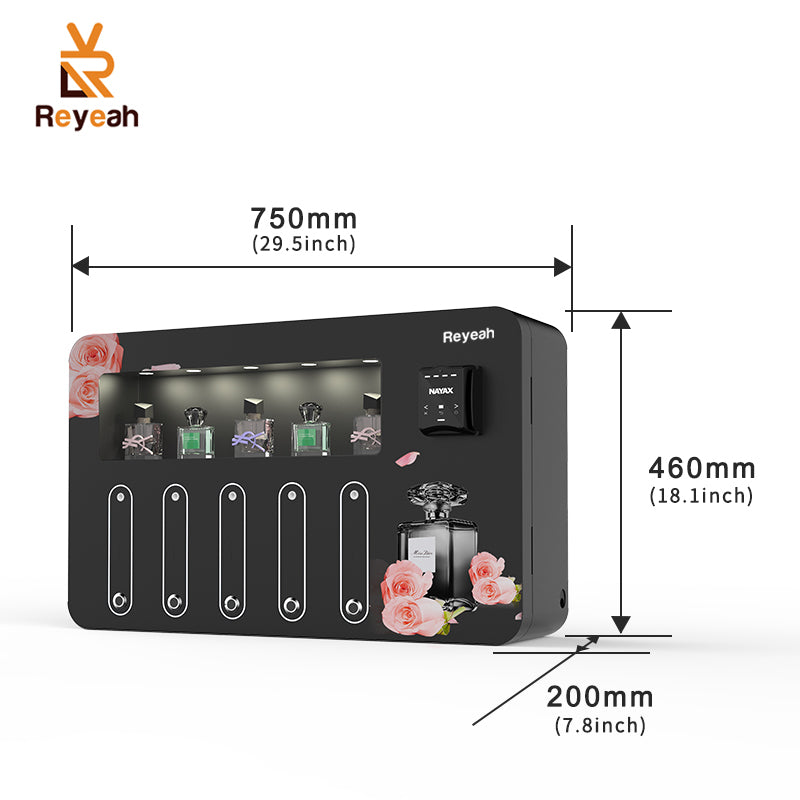
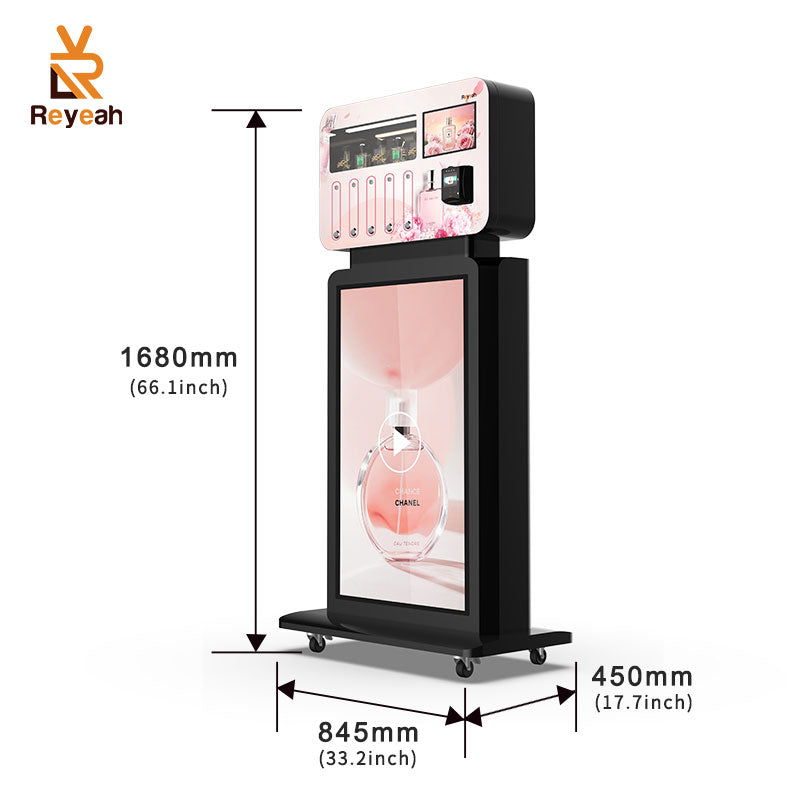
Sourcing is the part of a card vending business that determines whether the machine can be profitable at all. Get a distributor account before you need it, order every set to protect allocation, price off the street rather than off your invoice, and keep the mix weighted to core sets. Reyeah builds the hardware side — 24- and 48-channel formats with per-channel stock reporting so you can see which SKU turns — in the TCG card vending machine range. Size the site in the cost and ROI calculator, or send us your venue and volume and we will match a configuration to your stock plan.