





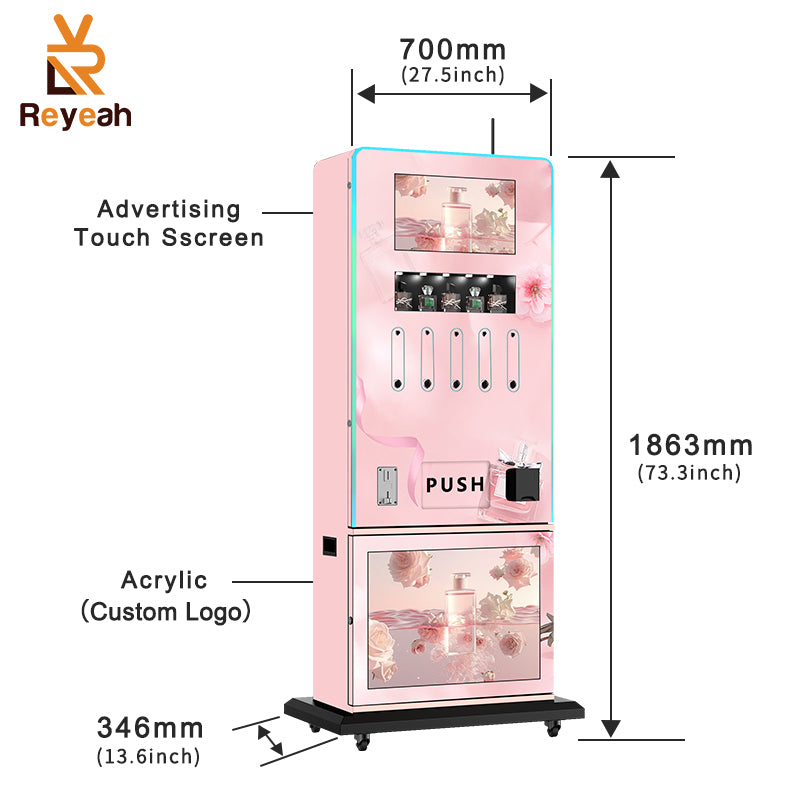

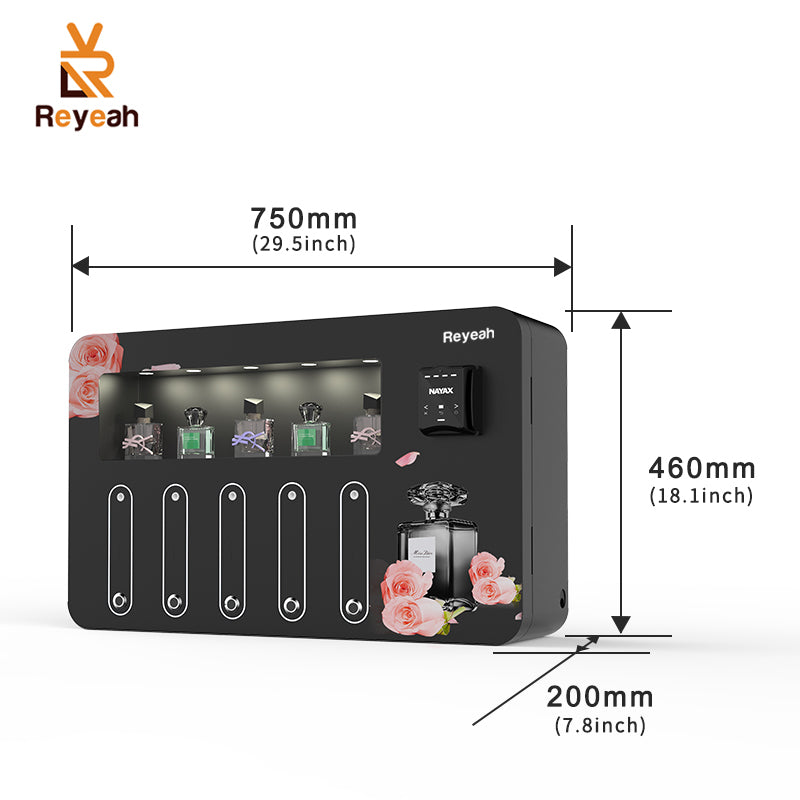

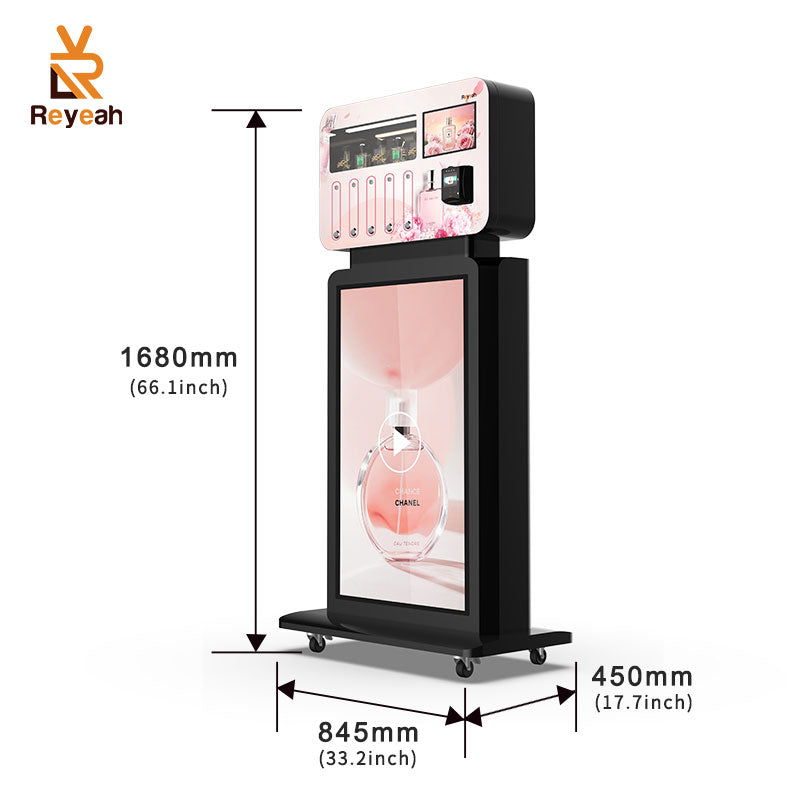
Buying a perfume vending machine from a factory and landing it on site are two different projects. The second one has four failure points — customs classification, freight damage, power supply, and connectivity — and every one of them is cheaper to solve before the unit ships than after it arrives. This is the checklist we walk buyers through before a machine leaves the factory.
1. Build a landed cost before you compare quotes
A factory quote is an ex-works or FOB number. The number that matters is landed cost at the site:
| Cost line | Typical basis | Who quotes it |
|---|---|---|
| Machine, ex-works | Per configuration: nozzles, screen, payment stack | Factory |
| Export crating and inland haulage to port | Per unit or per shipment | Factory or forwarder |
| Ocean or air freight | By volume (LCL) or per container (FCL) | Freight forwarder |
| Import duty and taxes | By HS code and destination | Customs broker |
| Clearance and port charges | Per entry plus storage if delayed | Broker |
| Last-mile delivery and unpacking | By access: lift, stairs, doorway width | Local haulier |
| Commissioning and first fill | Site visit plus fragrance | You or your installer |
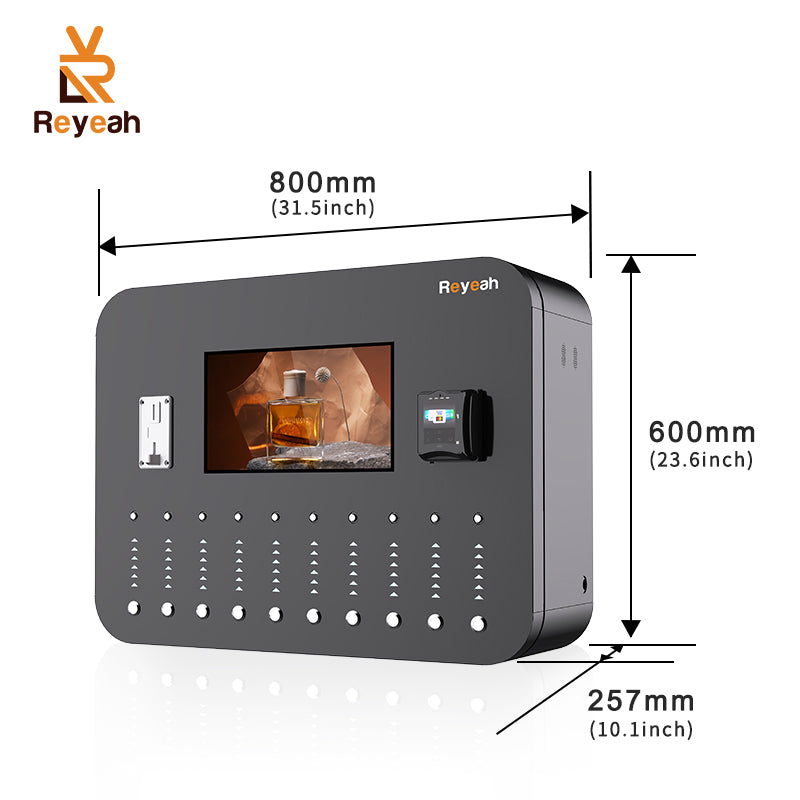
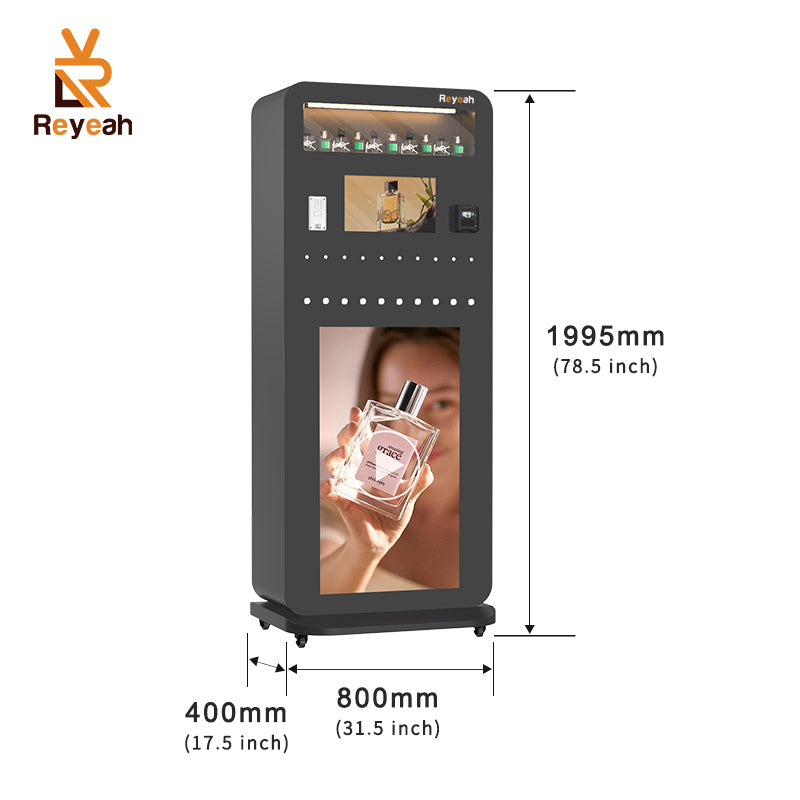
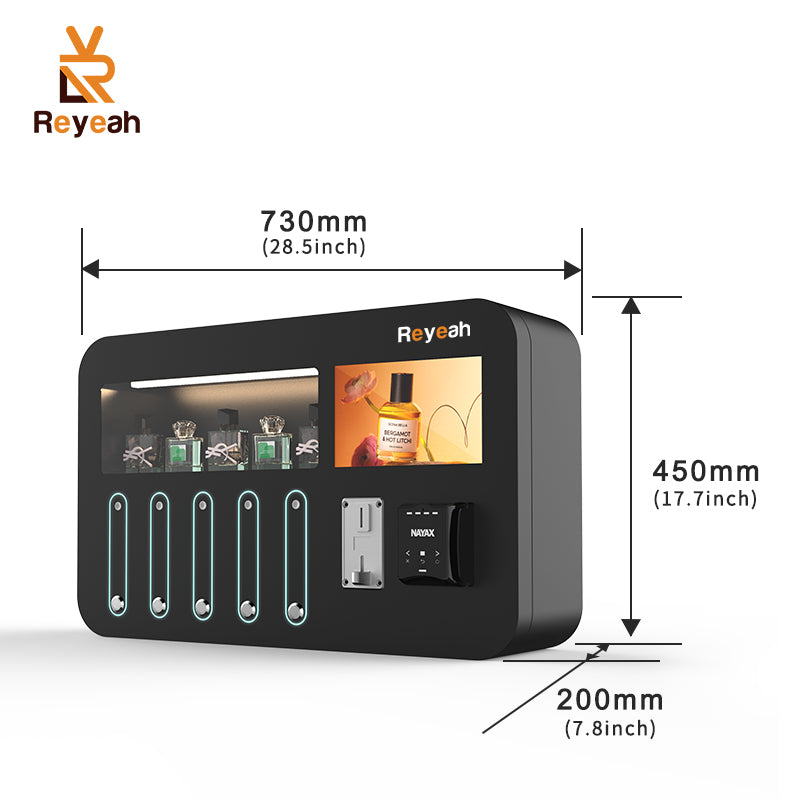
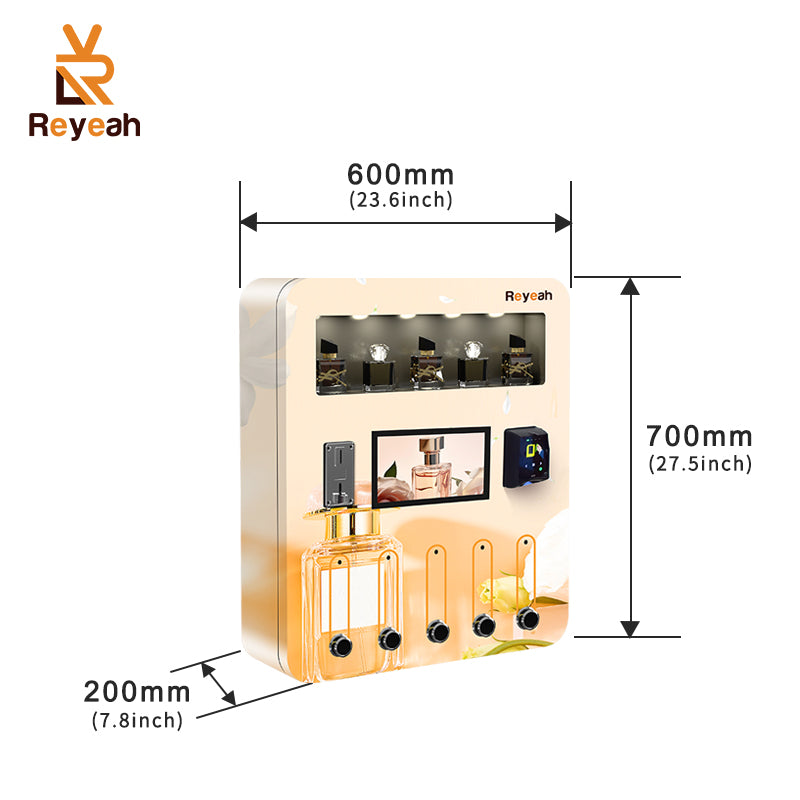
Two of those rows are consistently underestimated: last-mile access and port storage. A machine that does not fit through the venue's service door is an expensive problem, and a container held for a missing certificate accrues storage by the day.
2. Customs classification: ask for the HS code first
Vending machines are not a single tariff line. The classification your broker uses depends on the machine's function and construction, and the duty rate for your destination follows from it. Before you commit to a quote, ask the factory for the HS code they normally declare and pass it to your broker for confirmation. If the factory cannot state one, that is a signal about how much export documentation you will be handling yourself.
Also settle who is the importer of record. If it is your company, you need a tax registration and a broker relationship in the destination market. If a distributor imports, they own the duty and the compliance chain — and the price they quote you will reflect that.
3. Freight: sea for cost, air for urgency
A floor-standing perfume machine is a heavy, tall, fragile-faced item. Sea freight in a shared container (LCL) is the default for one or two units; a full container only makes sense at volume. Air freight is justified in exactly two situations: a replacement unit for a site that is already earning, and a deadline tied to a venue opening date.
Specify crating, not just cartoning: plywood crate, foam at the face and the base, and a moisture barrier. Ask the factory to photograph the packed unit before it leaves, with the crate sealed and the shipping marks visible. That photograph is the evidence you need if the machine arrives with a cracked display and the insurer asks when the damage occurred.
4. The documentation set that clears customs
- Commercial invoice with the machine's configuration itemised — a single lump-sum line invites valuation queries.
- Packing list with dimensions, gross and net weight per crate.
- Bill of lading or airway bill.
- Certificate of origin, where the destination grants preferential treatment.
- Product documentation: electrical ratings, CE or equivalent conformity declaration for the destination market, and the safety data sheet for any fragrance shipped with the machine.
- Fumigation or ISPM-15 mark on any solid-wood packing material.
Fragrance shipped alongside hardware is a separate issue: an ethanol-based liquid is a dangerous good for transport in many classifications, and most buyers choose to source fragrance locally and ship the machine dry. That decision alone can remove a week of clearance delay.
5. Power supply: match the venue, not just the country
Confirm four numbers before the order is placed: voltage, frequency, current draw, and plug type. Then confirm the venue's supply, because a machine specified for one market can still meet a venue that only offers a single 10 A socket. A fully stocked floor-standing unit with a heater or a large screen draws more than a wall-mounted unit, and older buildings may not have a spare circuit at the intended position.
Ask the factory for the power draw at peak — screen on, compressor or chiller running if fitted, payment terminal active — and share it with the venue's facilities contact rather than the leasing contact. If the venue cannot supply the circuit, a small UPS or a dedicated spur is a site cost, not a machine cost, but it lands in your budget either way.
6. Connectivity: SIM, Wi-Fi and the telemetry subscription
Telemetry turns a machine you must visit into one you can watch. It also introduces a monthly cost that is easy to forget. Decide before shipping:
- Wi-Fi only — cheapest, but unusable in a basement or a hotel corridor without coverage. Test the signal at the exact intended position.
- 4G SIM in the machine — the practical default. Confirm the modem's band support for the destination market and whether the SIM is factory-fitted or supplied locally.
- Ethernet — rare in venues, reliable where a landlord will provide a port.
Ask whether the telemetry service is bundled for the first year and what it costs afterwards, and whether the dashboard exports data. A machine whose sales history cannot be exported is a machine you cannot analyse later.
7. Commissioning checklist on arrival
- Photograph the crate and the unit before unpacking, and unpack with two people.
- Check the face, screen and door alignment against the factory's pre-shipment photos.
- Power up with dry tanks and run a test vend per channel to confirm the dispensing mechanism and the payment reader.
- Pair the telemetry, confirm the machine reports to the dashboard, and name the site correctly.
- Set dose per channel, price per vend, and the commission or rent reference for reporting.
- Fill, purge each nozzle twice, and run one paid vend per channel before opening.
- Log the serial number, HS entry, and warranty start date in your asset register.
Steps 5 and 6 are where most first installations lose their first week. The specification guide explains which values you are setting; the maintenance guide covers the purge sequence.
FAQ
What HS code is used for a perfume vending machine? It depends on the machine's function and construction, and the rate follows the destination market's tariff for that line. Ask the factory for the code they declare and have your broker confirm it before the order ships.
How long does shipping take? Sea freight plus clearance typically runs several weeks door to door depending on route and port congestion; air freight is days but costs materially more. Port storage from a missing document is the most common avoidable delay.
Can I ship fragrance with the machine? You can, but most buyers do not. Ethanol-based fragrance may be classified as a dangerous good, and local sourcing is usually faster and cheaper than clearing liquids through customs.
What voltage does a perfume vending machine need? It is specified per order for the destination market. Confirm voltage, frequency and peak current draw, then confirm the venue's available circuit before delivery.
Do I need my own SIM card? Usually a 4G SIM is the practical option. Confirm band support for your market and whether the factory supplies the SIM or you source it locally.
What if the machine arrives damaged? Photograph the crate before opening, compare against the pre-shipment photos, and claim against the carrier or insurer with that evidence. This is why crate photographs are requested at packing.
Conclusion
Importing is a documentation exercise with a hardware outcome. Confirm the HS code and the importer of record first, crate properly, decide the fragrance question before shipping, and validate power and signal at the exact position the machine will stand. Reyeah ships from Guangzhou with export crating, market-specific electrical configuration and 4G telemetry available at order — start from the perfume vending machine range, put the landed cost into the ROI calculator before you commit, or send us your destination and venue and we will return the specification and shipping plan.